


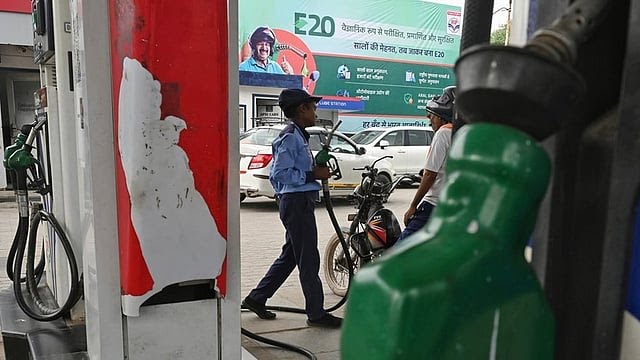
To address the ongoing consumer complaints and reports of vehicle damage associated with E-20, the Ministry of Petroleum and National Gas has initiated a feasibility talk to introduce an E10 petrol option alongside the existing E20 model.
India, while launching the E20 blend, had established a target to implement a 20% ethanol blending nationwide by 2025-2026. The government set this objective to cut the vehicle emission and lower the national crude oil import bill. However, the transition timeline now has come under review. The introduction of ethanol alternative would provide choices for consumers unable to adapt their engines to the higher ethanol concentration.
Why E10 now?
Automobiles manufactured before 2023 lack the BS-6 Phase 2 compliance, which is making it difficult for the engines to operate with the recently introduced E20 blend. These older vehicles face engine corrosion and degraded fuel lines while running on E20 petrol. The recent engine testings have indicated that E20 fuel lowers the fuel efficiency by 10% in a non-compliant legacy model. ‘If E10 is to be retailed in large volumes, it will require building an almost parallel supply chain as the existing one has shifted entirely to E20’, as quoted by an official in the.
Oil marketing companies are currently evaluating the financial impact of establishing retail stations with dual dispensing nozzles to provide both E10 and E20 fuels. Operating a dual system demands a separate underground storage tank and dedicated supply lines at individual petrol pumps. Upgrading the existing retail network requires substantial infrastructure investment from the OMCs.
Ever since its launch, the ethanol blending program has successfully reduced the national crude oil import bill. However, the initiative continues to encounter supply chain bottlenecks, particularly in states that do not produce sugarcane.
In a separate dialogue, Indian leading car makers privately addressed concerns about possible contamination in E20 petrol, including high chloride and moisture levels, even as the industry publicly supported the government’s nationwide rollout. According to reports accessed by media houses, emails and confidential industry data showed executives from Maruti Suzuki, Tata Motors, and Mahindra and Mahindra exchanging concerns over fuel samples collected from retail outlets across the country.
Overall, more than 250 samples have been collected in an year from as many as 21 of India’s 36 states and territories. The samples collected showed elevated chloride levels in several locations across 18 states, along with high moisture content, as per the report.