


The BJP stated that the presence of three seats in the 140 Assembly seats in Kerala against the backdrop of the Congress-led UDF or the CPI(M)-led LDF has been perceived a small but significant opening palm for Bharatiya Janata Party in a state where it is a minor player.
BJP leaders believe this is just a precursor of greater success in the years to come as they plan for the 2029 Lok Sabha elections later in the year. The BJP has prepared a 13-point political strategy, which is meant to bolster its organizational presence and to expand its outreach to voters in Kerala, the report said.
One of the major concerns of the new approach is focus on backward groups within the Hindu population, a goal that is closely associated with the party’s Hindutva ideology. The strategy also shows some movement away from previous initiatives to engage minority groups, especially Christians, in the process.
With the presence of so many minorities, the Kerala political scene poses a difficult situation for BJP and its political parent RSS. There is a relatively high percentage of Hindus (55% of the population), Muslims (nearly 27%) and Christians (nearly 18%) – a larger minority membership than is found nationally.
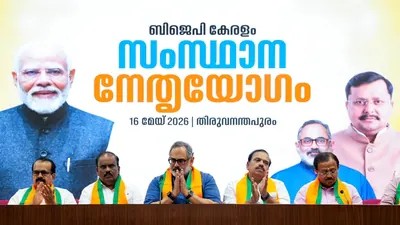
Rajeev Chandrasekhar,who is also the president of the State, serves as the chairperson of a state core committee which allegedly discussed the strategy. Sources say the party document does not contain new outreach strategies for minority communities and is a renewal of previous work to develop relationship with Church leadership.
The BJP’s Danniwera policy is being read as the party pledges to work hard to consolidate its core voters while making its presence felt slowly by slowly in one of the most politicized states of the country.