


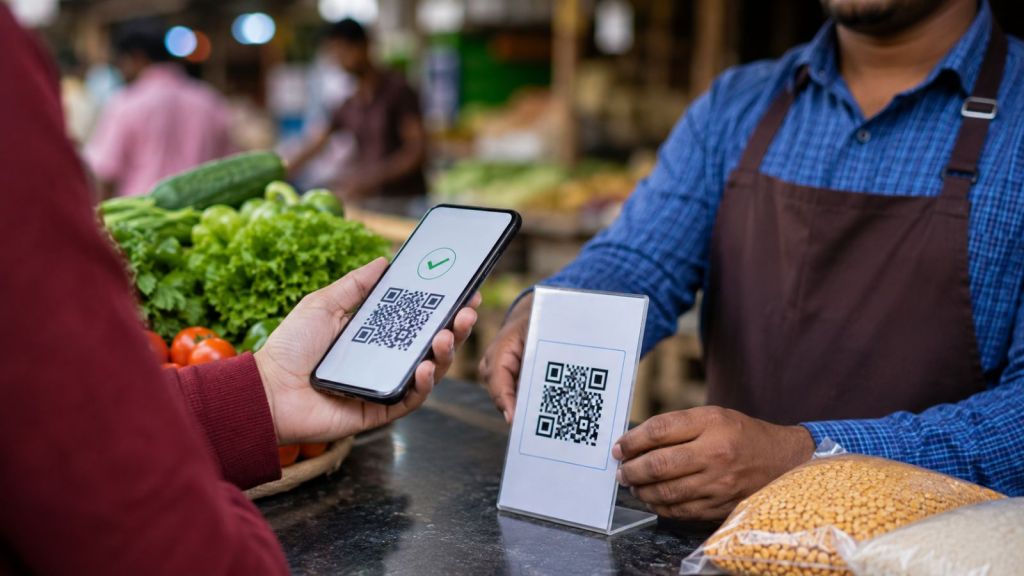
Dismissing opposition’s claims of foreign influence, the Centre on Wednesday evening stressed that its decision to impose a 0.4 per cent charge on UPI transactions above Rs 2000 was independently ordered.
“Some claims suggest the change is due to foreign influence. This is false. India’s UPI policy decisions are made independently, with the clear goal of building a self-sustaining, inclusive, and affordable digital payments ecosystem,” the Union Finance Ministry said in a post on X.
In the accusations slammed by opposition Congress, it asserted the government “succumbed to US pressure,” thereby imposing the Merchant Discount Rate.
Earlier in the day, Rahul Gandhi termed the charge “UPI tax,” which the ministry countered, effectively stating, “MDR is neither a tax nor a charge that the government collects. MDR is distributed among payment ecosystem participants, including banks and payment application providers, to support the operation and continued expansion of the UPI ecosystem,” the ministry said.
“The National Payments Corporation of India (NPCI), which operates the UPI network, has also said the revenue will support investment in making UPI better and safer, it added”.
The Centre on Tuesday announced to collect 0.4 percent MDR on person-to-merchant UPI payments above Rs 2000. The charge will be paid by merchants, not consumers, and is capped at Rs 300.