


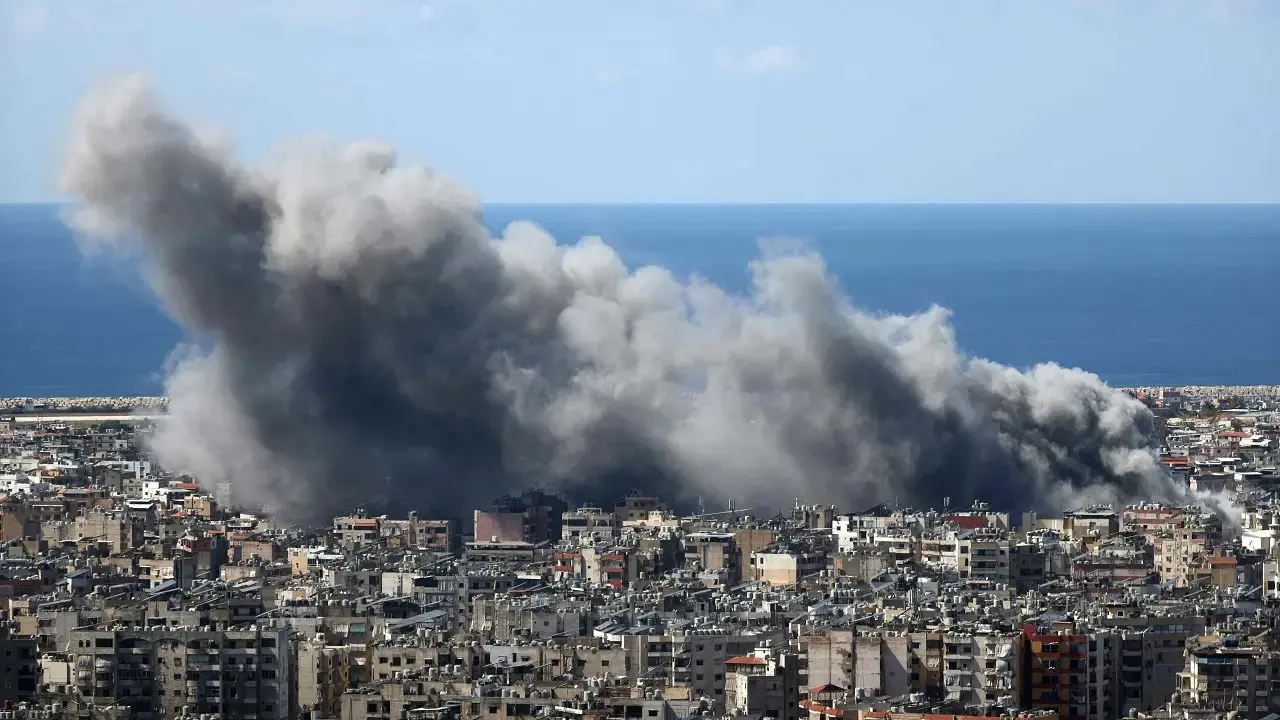
Tensions between Saudi Arabia and the Houthi rebels which have been backed by Tehran, have escalated in Yemen on Thursday with the military alliance led by the Saudis claiming it failed in an attempt to strike at dozens of airports, ports and oil fields across the kingdom.
Over the past week, the Houthis have fired more ballistic missiles or drone strikes at key Saudi targets, according to the coalition. The attacks were said to be in retaliation for Riyadh’s backing to the Yemeni government-led forces in the ongoing war.
During the month, the Houthis have been responsible for 20 attacks on the King Khalid International Airport in the capital Riyadh, said Coalition spokesman Turki al-Maliki in a press conference. He stated that 17 people were killed and 333 injured in the attacks.
The coalition also said it was hit by attacks on Abha airport in southwestern Saudi Arabia near the Yemeni border, resulting in casualties. Maliki said that three people had died and 28 injured in the attacks.
The claims underscore new worries about the possible severe consequences of the ongoing war on civilian infrastructure such as energy plants and airports. But such casualty counts and other information regarding the alleged attacks could not be independently confirmed.
Maliki also blamed the Houthis for mastering sophisticated weapons through the support they have received from so-called “regional actors.” Among the group’s capabilities were ballistic missiles, drones, and fast boats carrying explosives, he said.
Coalition forces also closed 127 weapons storage facilities and launch platforms in Yemen’s mountainous areas, the spokesperson said, in a follow-up military operation.
He urged the Houthis to give serious consideration to the official stance of the coalition, reminding them of “between the lines”.
The most recent accusations follow a more turbulent period that has been tied to the ongoing conflict in Yemen which has often spilled over into Saudi Arabia. If tensions continue to escalate, other civilian populations and critical infrastructure could be at risk on either side.