


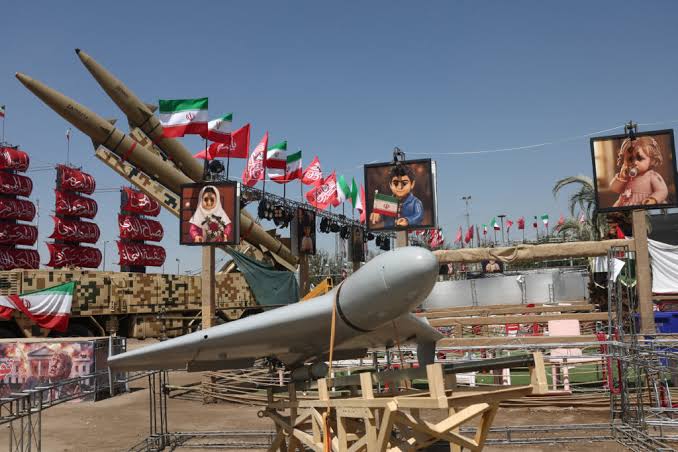
Iranian President Masoud Pezeshkian has pledged progress in the talks he co-hosted with Oman on the situation in the Strait of Hormuz, and he hopes they will yield results away from his idea of living in a “neither war nor peace” state.
The developments come amid heightened tensions between Iran and the United States. Iran has state surveillance forces, namely Islamic Revolutionary Guard Corps (IRGC), stipulating conditions to re-open the strategic waterway, such as terminating US naval blockage of the canal and reparations for damage resulting from conflict.
US Vice President JD Vance said it would be “better to put pressure on Tehran” if the Iranian government refuses to do so, shift its attitude and improve relations with the US.
The development of the security of the Strait of Hormuz continues to be of great importance to energy, creating great concern on global markets as well as shipping routes.
In the meantime there is still violence and tensions in various regions of the Middle East. Israelis have also attacked homes in the occupied West Bank, near Bethlehem, and are continuing their shelling of Gaza and southern Lebanon.
Israel reached out to more than 100 Palestinian families in al-Walaja, northwest of Bethlehem, in an effort to bulldoze and forcibly displaced them, Hamas official Mahmoud Mardawi charged.
Mardawi criticized the reported orders, calling them alleged war crimes and part of what he said is a “planned encirclement of Palestinian communities throughout the West Bank.
Continued regional instability emerged in the latest developments as take place in various other matters such as Iran’s nuclear and security issues, alongside the ongoing violence and displacement concerns over Palestinians.