


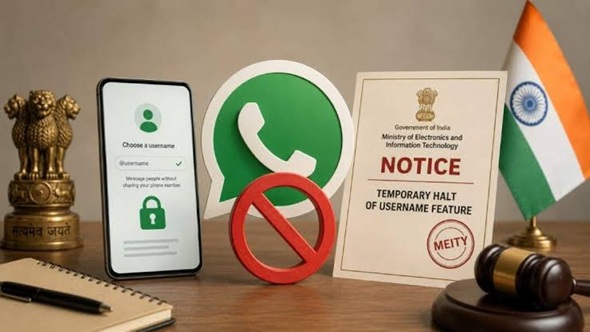
Meta-owned WhatsApp has released a detailed set of frequently asked questions (FAQs) explaining how its upcoming username feature will function, a day after the Centre sought clarification over concerns that the new system could be exploited for impersonation, phishing, online fraud and so-called digital arrest scams.
The clarification comes after the government issued a notice to Meta, directing the company not to introduce the feature in India until consultations are completed. Authorities have also sought a detailed response within three days on the proposed rollout and the safeguards being put in place.
WhatsApp said creating a username will not be mandatory and users can continue using the platform with their existing phone number-based accounts.
The company also clarified that usernames will not be publicly searchable, unlike on platforms such as Instagram or Telegram. According to WhatsApp, users will only be able to connect if they already know a person’s username, limiting unsolicited contact from strangers.
The platform stated that, similar to phone numbers, usernames cannot be searched within WhatsApp, adding that users can choose unique usernames that are specific to the platform.
To enhance security, WhatsApp will introduce an optional “username key” feature. Users who enable this setting can only receive messages from people who know both their username and the associated security key. The company said the username key can be reset whenever required, providing an additional layer of protection against unwanted contact. WhatsApp also announced new safety indicators for conversations initiated by unknown users.
When a person receives a message from someone they have never interacted with before, the app will display information such as:
The sender’s country.
Whether the account is newly created.
Whether the sender shares any mutual groups with the recipient.
The platform said existing features allowing users to block and report suspicious accounts will continue to remain available.
Responding to concerns about impersonation, WhatsApp said well-known usernames and their variations will be reserved exclusively for verified public figures, government organisations and Meta Verified accounts.
The company rejected claims circulating online that users would be able to reserve popular or high-profile usernames, stating that only legitimate account holders would be eligible to claim protected names.
WhatsApp said it opened username reservations ahead of the global rollout because it expects users to have strong preferences regarding their usernames.
The company added that feedback received before launch would help refine the feature. It also said it will continue monitoring reports, user complaints and blocked accounts to identify scammers and take action as username-based messaging is introduced later this year.