


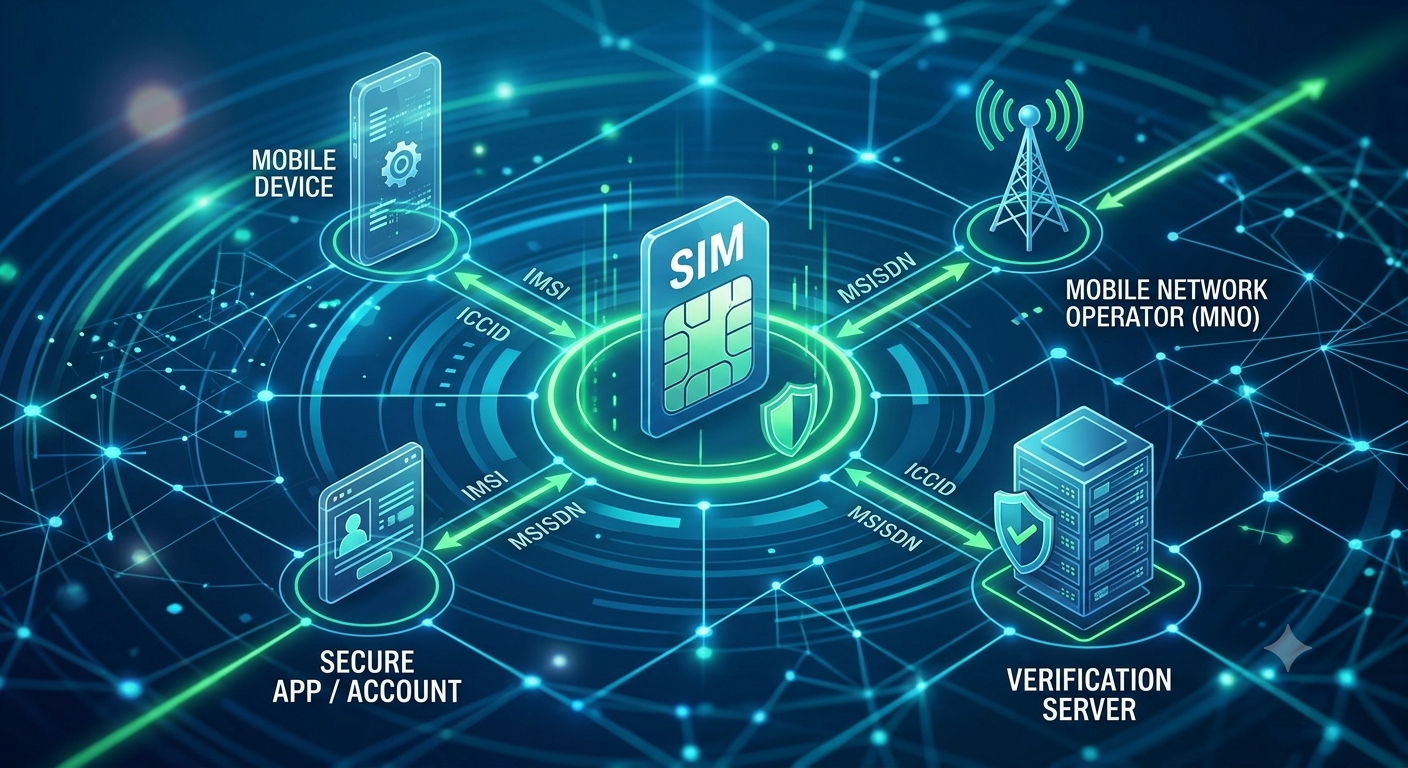
The messaging system in India is about to get a major twist after January 1, 2027. The Department of Telecommunications (DoT) has confirmed that messaging apps must verify that the mobile number associated with an account is linked to the SIM installed on the device. SIM binding is set to be mandatory from January 1. That means if you are using WhatsApp on your smartphone, the SIM with your WhatsApp number must be in that device. This move may change how you use WhatsApp and Telegram.
Today, you can access these applications on devices that use a Wi-Fi connection once you are logged in. The rules particularly impact those who travel abroad, change SIMs or devices frequently, or rely mainly on Wi-Fi.
What Is SIM Binding?
SIM binding means the SIM card linked to your account must be installed on the device you are using. The DoT issued a directive for SIM binding on November 28, 2025. As per the directive, messaging apps like WhatsApp and Telegram that use Indian mobile numbers should identify users. To identify users, the999y need to verify that the account remains linked to the corresponding SIM installed in the device. Currently, verification is processed through a one-time password, and apps can continue to be used on the phone even after the SIM is removed. It is worth noting that banking and payment apps already use SIM binding, and you cannot make online payments via UPI or bank transfers if the linked SIM is not installed in your phone.
Platforms like WhatsApp, Telegram, Snapchat, Rayo, ShareChat, Josh, Chingari and Signal are among those covered by the directive issued by the DoT. These apps have to ensure that the same linked account isn’t enrolled on that device. Though it is unlikely that accounts will stop working automatically on the deadline, it will depend on the individual efforts of the apps.
Platforms had until December 31 to link accounts continuously with the active, KYC-verified SIM associated with the registered mobile number.
So far, there is no mention of eSIMs and the fate of the accounts. It is likely that you would need to have your eSIM installed on the device if you want to use your linked account. However, there is no specific word on it.
According to the DoT, the current system poses risks for cybercrimes. Without SIM binding, messaging accounts can continue operating after the associated SIM has been removed from the device or deactivated. Long-running web and desktop sessions can also allow an account authenticated in India to be operated remotely without fresh verification. This gap is being exploited for phishing, impersonation, investment and loan scams, as well as digital arrest fraud, according to the department.