


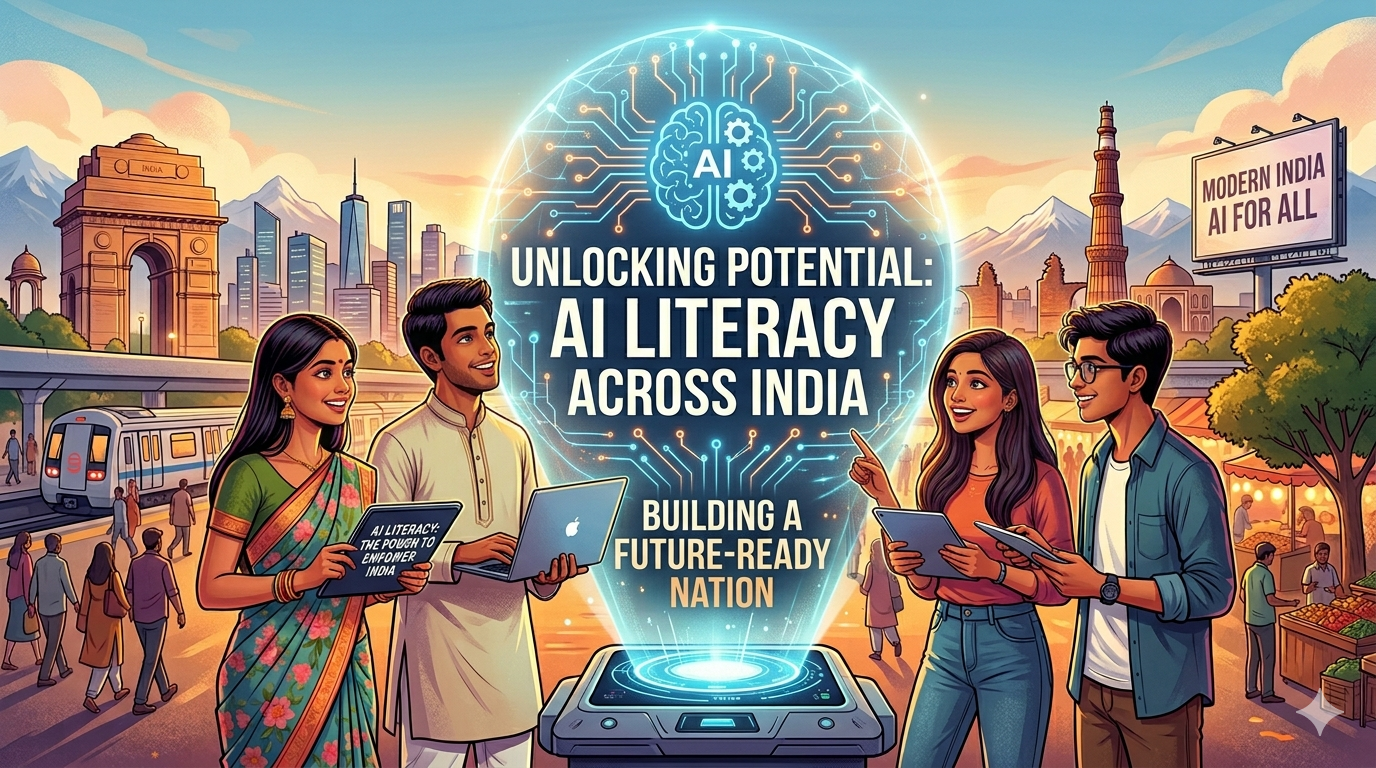
New Delhi: As a part of the massive efforts being undertaken by the Government of India in making India a center of excellence for Artificial Intelligence talent around the globe, a partnership between the Government and some leading lights of the technology sector have come together for a complete revamp of the AI curriculum in the nation. The objective here is to bring the curriculum in line with the latest developments in technologies and cater to the ever-increasing demand for professionals who can put their skills to work. The meeting was presided over by the Union Minister for Electronics & IT, Shri Ashwini Vaishnaw.
The template for the reform is based on the results of a benchmark study conducted by the Task Force together with industry professionals and the National Association of Software and Services Companies (NASSCOM). The benchmarking assessed all available B.Tech Computer Science and allied engineering programs offered in India.
Although the study identified a considerable increase in coverage of basics in AI, it also highlighted a number of crucial shortcomings in existing pedagogies, infrastructure, and industrial experience. Namely, university curricula fall behind in such dynamic spheres as Generative AI, MLOps (Machine Learning Operations) and model building. In order to make up for these shortcomings, the Task Force suggested a radical departure from conventional lecturing approaches. The new approach focuses on application-oriented learning starting from day one at the university and basing all courses on industry use cases.
Speaking on the latest AI curriculum, Arjun Mishra, Founder of Orchid University said that it is necessary to move beyond conventional education and drive true digital transformation through AI literacy. “Through the Foundation’s AI-powered learning platforms and employability programs, students will gain critical exposure to the practical applications of technology, ensuring that digital advancement reaches and empowers every individual”, he further added.
Acknowledging that any structural changes would need corresponding changes to infrastructure, the taskforce suggested a triple-helix approach, whereby an AI infrastructure would be put in place at a national level. This approach involves collaboration between the government, the private sector, and universities. The goal is to ensure equal access for all engineering colleges across the country to GPU computing capabilities, software stacks, and enterprise-level AI systems. Going forward, the Ministry plans to work with the All India Council for Technical Education (AICTE) for phased implementation.
Join our whatsapp group for Latest updates
Click Here for Chhattisgarh News
Click Here for Entertainment News