


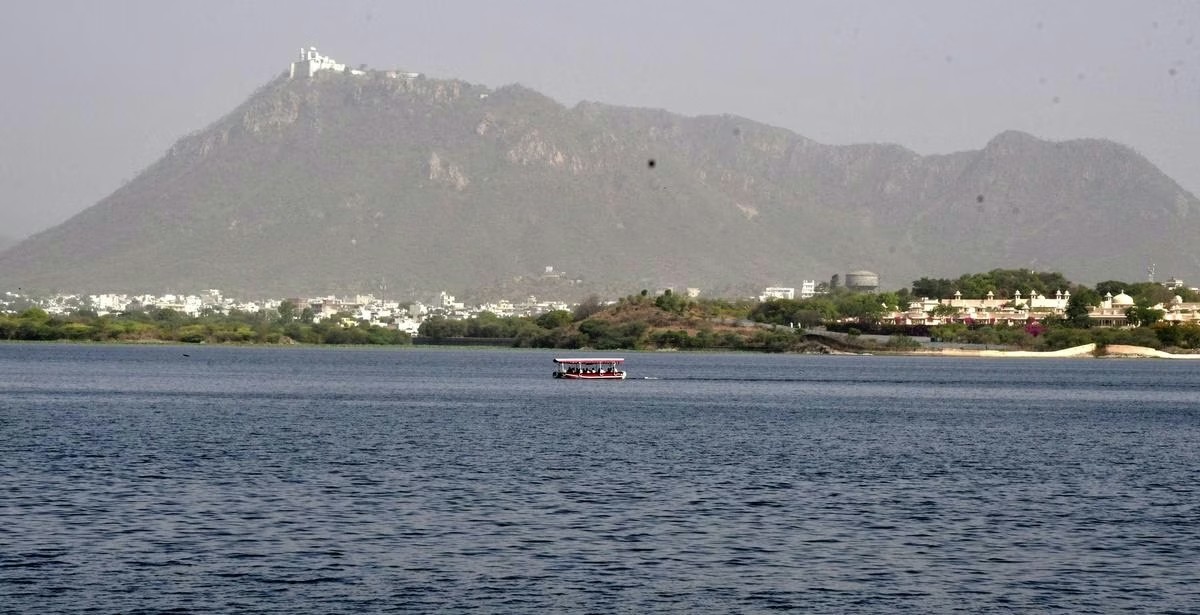
The rapid degradation of lakes and water bodies in Udaipur is a concern which has led the Rajasthan High Court to take up the matter. The court, suo motu, initiated proceedings due to the media reports about the city’s lakes being degraded, aiming at safeguarding and sustainable management of its iconic lakes and the ecological systems that surround them.
A division bench led by Pushpendra Singh Bhati and Rekha Borana held that lakes are not just a significant way of establishing identity of the city of Udaipur, but are equally vital for the reasons like recharge to the groundwater, conservation of biodiversity, flood management, climate change and overall environmental balance. The court highlighted the importance of maintaining these waters to ensure that future generations are able to enjoy a healthy and good environment.
In its judgment, the bench observed that the directive principle in Article 48A and Article 51A(g) of the Constitution imposes a responsibility on the State and the citizens to preserve natural resources and that Article 21 also mentions that every person has the right to “environment”. In addition, the court relied on the Public Trust Doctrine that government ought to treat natural resources as assets in its custody for present and future generations.
The bench shared its dismay at the growing urbanisation, encroachments, contentious boundaries of water bodies, and water construction projects near water bodies. These concerns were taken seriously and the court ordered a consolidated government report that provides information regarding the status of the lakes and canals and surrounding ecological areas.
Hearing on July 13 for the matter to be held. The court’s decision is seen as a positive step for the conservation of the ecologically sensitive Udaipur lake, and environmental organizations have praised it.