


‘World Cup is being sold out’: Phillip Lahm slams FIFA over ticket prices and expansion plans

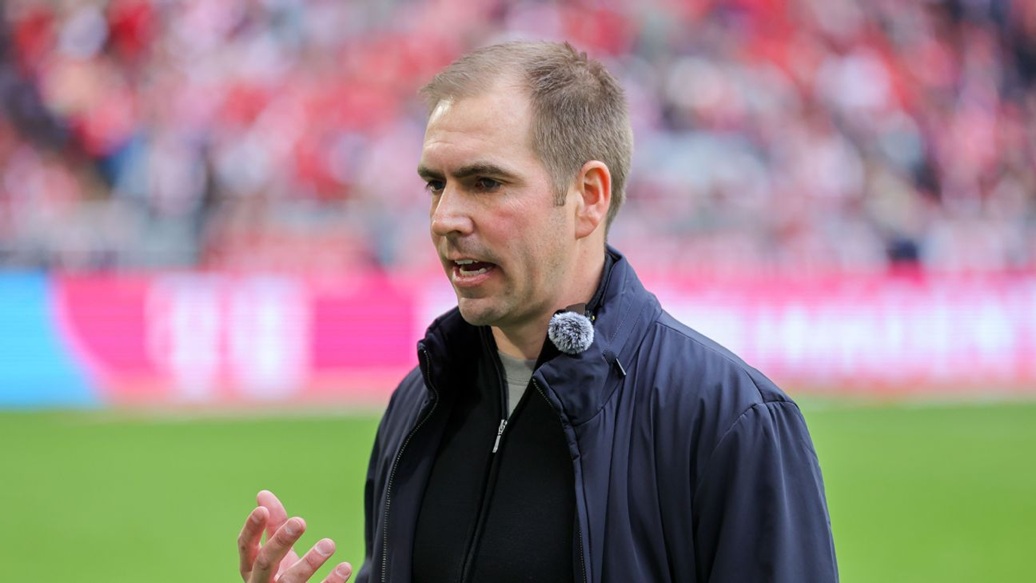
Former Germany captain Phillip Lahm has criticised FIFA and its president Gianni Infantino, accusing football’s governing body of prioritising commercial interests over the sport and its supporters.
Writing in a column for German newspaper Die Zeit, Lahm said the FIFA World Cup was being “sold out” and argued that growing commercialisation risked damaging the tournament’s credibility among fans. “The World Cup is being sold out,” Lahm wrote, adding that the trend was making it increasingly difficult for supporters to separate FIFA’s decisions from the tournament itself.
The 2014 World Cup-winning captain expressed particular concern over ticket pricing for the 2026 FIFA World Cup, claiming FIFA was focused on maximising revenue. He alleged that the organisation faced criticism over how it presented demand figures for tickets while pushing prices higher.
Lahm also questioned FIFA’s decision to expand the Club World Cup to 32 teams, arguing that the enlarged competition could place additional strain on players and further increase workload concerns in an already crowded football calendar.
The former defender took issue with recurring discussions about staging the World Cup every two years, saying major tournaments require adequate preparation and time for their impact to be fully appreciated. “A tournament needs preparation and follow-up to have a lasting impact,” Lahm said.
Despite his criticism, Lahm acknowledged that FIFA had made some positive decisions. He praised the expansion of the World Cup to 48 teams, saying it had created opportunities for nations such as Curaçao, Cape Verde, Scotland and DR Congo to gain greater visibility on the global stage.
According to Lahm, the expanded format has produced compelling stories and allowed more countries to dream of competing at football’s biggest event.
This is not the first time Lahm has publicly criticised FIFA president Gianni Infantino. During the 2022 World Cup, the German legend questioned Infantino’s leadership and accused him of lacking integrity.
Lahm captained Germany to World Cup glory in Brazil in 2014 and remains one of the most respected voices in world football. His latest remarks add to the ongoing debate over the balance between commercial growth and preserving the traditions and accessibility of the sport.