


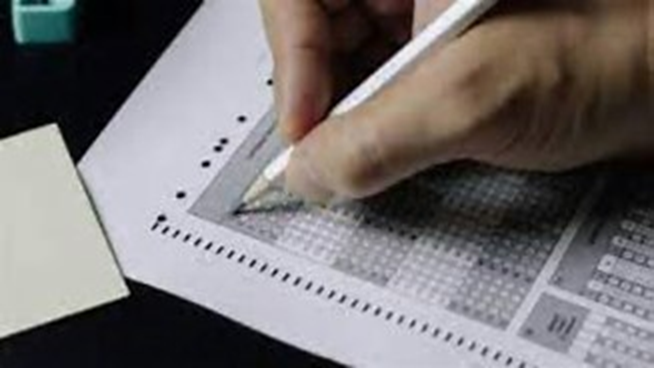
The NTA according to sources in the know is scheduled to release the provisional answer key for the NEET UG re-exam which conducted in June 21. 22 lakh candidates will be able to access the answer key from the official website of NTA. Along with this, NTA is expected to publish candidates’ OMR response sheets and open the answer key objection window, allowing students to challenge any discrepancies they identify in the responses. Objections submitted within the stipulated deadline will be reviewed by subject experts before the final answer key is published.
The provisional answer key which will be a single PDF will include answers for all question paper codes, including Codes 50, 60, 70, and 80. Following a review of the objections received from the students, the testing agency will release the final answer key. The results will be declared on the official NTA website.
To challenge the NEET answer key, visit neet.nta.nic.in and log in using your application number and password. Click on “Challenge Answer Key,” then select the questions you want to dispute and choose what you believe is the correct option. Upload supporting documents in PDF format to back your claim, save the challenge, and pay the required fee to complete the process.
The NTA has earlier acknowledged the contribution of academic experts from institutions across India who volunteered their time to help prepare multiple sets of question papers within a compressed timeline. It said nearly seven lakh personnel—including police teams, observers, invigilators and examination staff—were mobilised across the country to conduct the examination. The entire exercise was completed within a record 37 days.
NTA further highlighted the efforts taken to conduct NEET UG. In a post, NTA said that the entrance test was conducted with multiple layers of security and monitoring. Aadhaar-based biometric verification and face authentication, CCTV surveillance, signal jammers, and two-tier frisking supported by State Police forces were deployed across centres.
Command and control centres for CCTV monitoring were established at multiple levels within the National Testing Agency (NTA), the Ministry of Education, 34 Centrally Funded Institutions under the Department of Higher Education, State Governments, and District Collectorates.