


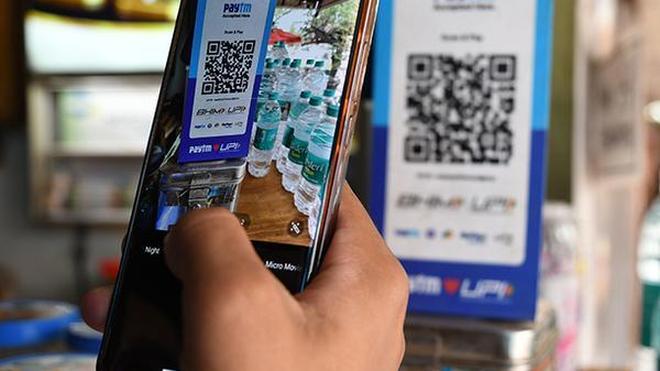
Since its 2016 launch by the National Payments Corporation of India (NPCI), UPI has run on a simple promise: instant, free money transfers between bank accounts, with zero charge for both customers and merchants. That “zero MDR” (Merchant Discount Rate) policy was written into law in 2020, and it powered UPI’s explosive growth — the platform processed 2,366 crore transactions worth ₹29.9 lakh crore in July 2026 alone, and is now live in 11 foreign countries.That legal protection has now been amended.
On August 6, 2026, the Lok Sabha passed the Taxation and Other Laws (Amendment) Bill, 2026, which empowers the Central Government to allow banks and payment service providers to levy charges on UPI and other notified electronic payment modes, by removing the blanket “no-charge” restriction under Section 10A of the Payment and Settlement Systems Act, 2007. The Bill itself does not impose any fee or fix an MDR rate — it simply gives the government power to decide later which payment modes can be charged.
Who actually pays?
The government has clarified that consumers will not be charged for making UPI payments, while any future MDR will be limited to select merchant transactions above a specified threshold. The ₹2,000 mark has emerged as the likely cut-off, aimed at protecting everyday consumers while addressing the sustainability of the payments ecosystem. Industry sources say only about 4% of merchant UPI transactions crossed ₹2,000 last year, though these accounted for roughly two-thirds of total transaction value
What this means at the pump, on your bill, and at the till
Petrol and diesel at fuel stations:Most fuel bills — especially for two-wheelers and small cars — fall well under ₹2,000, so daily fuel payments via UPI should stay free. Only large commercial fuel purchases (fleet fill-ups, bulk diesel) crossing the threshold could see a merchant-side fee, which pumps may or may not pass on.
Electricity and gas bill payments: Routine utility payments are expected to remain unaffected, since the government’s stated intent is to protect everyday consumer transactions. Higher one-time bills, such as commercial electricity connections, could fall under the merchant charge if amounts exceed the cut-off.
Grocery and supermarket shopping: For most users and small merchants, there will hardly be any change — the impact is expected to fall mainly on large retail chains and supermarkets with high annual turnover crossing per-transaction thresholds. A weekly grocery run under ₹2,000 stays free; a large monthly stock-up bill at a big-format store could attract a merchant fee.
Online shopping on e-commerce sites: Online platforms process thousands of transactions, many exceeding ₹2,000, making them among the most likely to fall under the new merchant charge once implemented. Whether platforms absorb this cost or build it into product pricing remains to be seen.
Bottom line
No official MDR rate exists yet — the NPCI-led UPI and Services Steering Committee is yet to take a final call. For now, small daily payments — fuel, groceries, utility bills — stay free. It’s high-value spending at large retailers and online stores that merchants, not consumers, may eventually see a nominal charge on.