


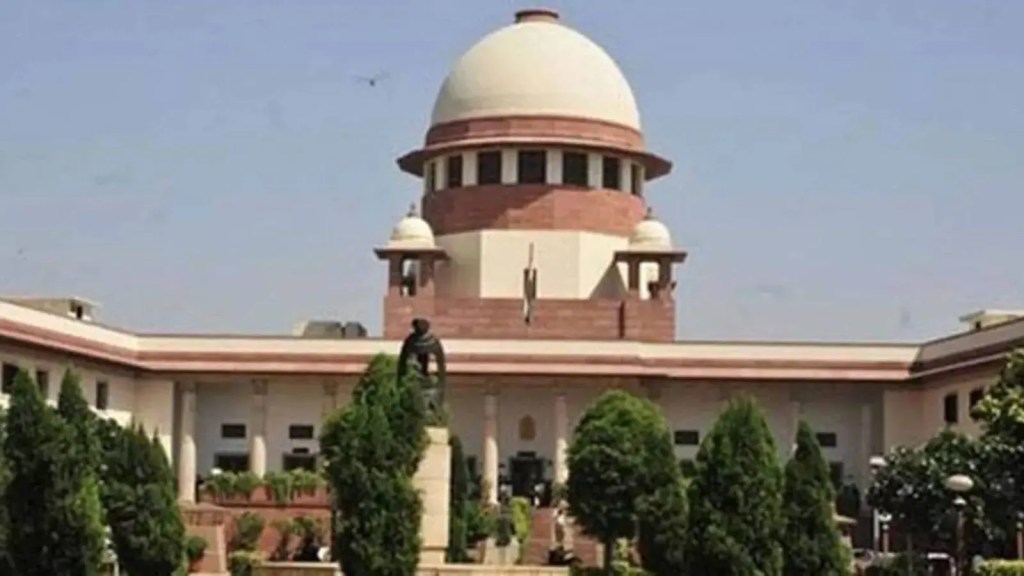
The Supreme Court has postponed a Madras High Court judgment granting a five-member board rights over part of the functioning of the Lord Nataraja Temple in Chidambaram, Tamil Nadu, from the community of hereditary priests.
The issue is about the control of one of Tamil Nadu’s important temples and of its breeding ground of religious acts i.e., Podhu Dikshitars (Podhu priests), who have traditionally maintained the sanctum sanctorum of the temple.
The stay granted by the Supreme Court puts the High Court’s order on hold while the case is pending for further hearing.
Dispute Began Over Devotees’ Access
It all started when the Tamil Nadu government gave orders in May last year.
The order allowed the devotees to pray from a platform called Kanakasabha, which is elevated from the floor of the temple and on this platform the Temple ritual was traditionally performed.
The Podhu Dikshitars resisted the government’s order in Madras High Court, claiming that the government was violating their constitutional rights which allows them to run the religious affairs as per their own beliefs (Article 26 of the Constitution).
The Court of High Standing had upheld that of the Government.
The Madras High Court upheld the Government’s order in a hearing on Oct 30.
The court noted that the Kanakasabha should not interfere with the religious rites conducted at the temple, if it grants the temple devotees the facility to have Darshan while sitting in the Kanakasabha.
The matter has now gone to the Supreme Court, which has now suspended the High Court order for transfer of administration part of the Temple into a five-member board.
Additional controversies are expected to be settled in the case and outline a new model for the functioning of the temple, as well as for the rights of the hereditary priests.