


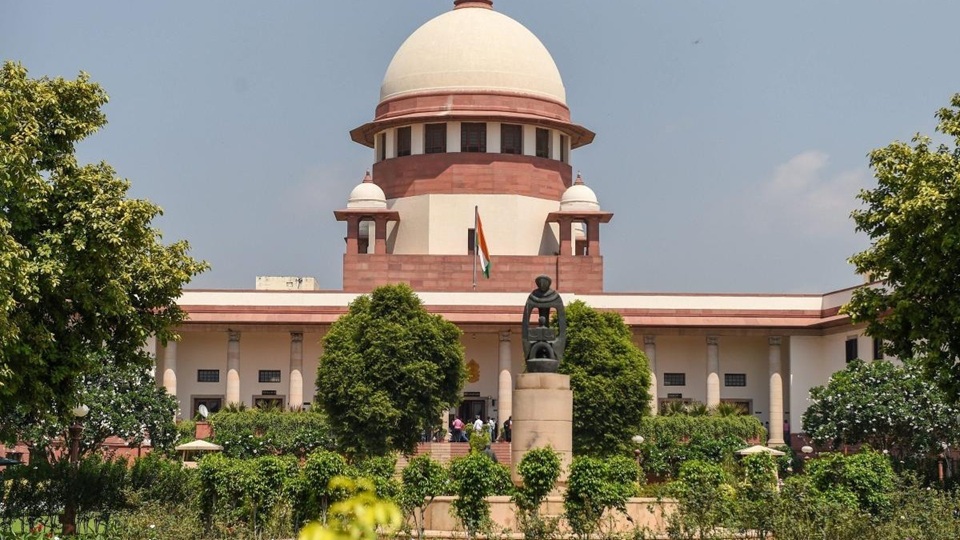
On Sunday, the Supreme Court allowed the use of any certified green firecrackers in Delhi-Nord region for the next two days, Nov 7 and 8 ahead of and on Diwali. A total ban would be implemented again from November 9, the court said, noting there was not enough information to say if a blanket ban would be the best way to address the pollution problem each year in the region.
According to the order, firecrackers will be allowed to be fired only between 6 am and 7 am on both the days and 8 pm to 10 pm.
Strict Restrictions and No-Cracker Zones
From a distance of 300 metres around hospitals, nursing homes, primary and district health centres, old-age homes and silence zones, firecrackers were prohibited from being burst. These limitations will also be imposed on educational institutions.
The areas will then be declared ‘No Cracker Zones’ and officials will be instructed to clearly identify the zones on the ground and notify the public of the restrictions on the zone.
Court Seeks Data on Effectiveness of Blanket Ban
The Supreme Court explained this in saying that a total ban would initially seem like a perfect answer, but there was not enough information for it to decide just how effective it would be.
The court had observed that the matters had not been improving in Delhi-NCR’s air quality index with the outgoing blanket ban in 2024.
It also recognised the religious, social and psychological and emotional significance of Diwali and called the festival a day of hope, welfare and prosperity. The court, however, warned that, if the environment was allowed to suffer, the reason of celebrations was lost.
The restrictions are there to consider the balance between festivals and public health and environmental issues.