


Security arrangements in Mumbai have been heightened as the city prepares to receive thousands of devotees at the iconic Ganpati pandals of Lalbaug, Ganesh Galli and Chintamani.
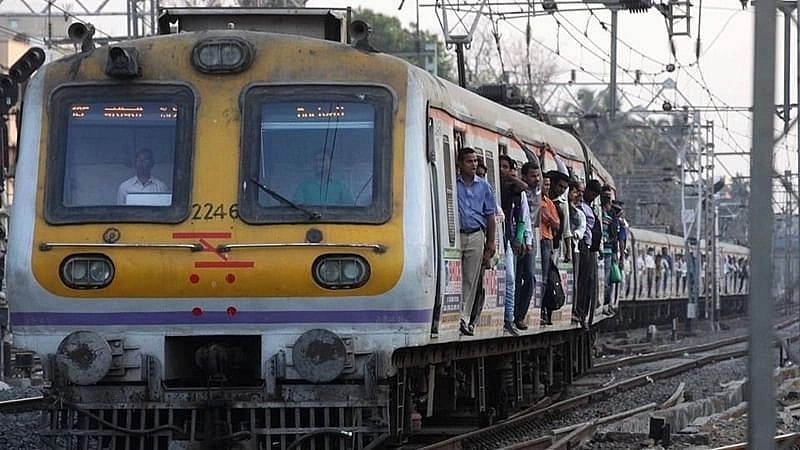
The railway network, a prominently used mode of transport in the financial capital, is bracing for one of the biggest crowd-management challenges.
Central Railway has ramped up security arrangements and revised its passenger-management plan for key stations, deploying 219 additional RPF personnel, more than 200 commercial and operating staff, and round-the-clock monitoring at stations likely to receive heavy traffic.
The pressure is expected to be particularly high at Chinchpokli, Currey Road and Dadar, which serve as important access points for devotees visiting the Lalbaug belt. To prevent crowds from spilling onto platforms and creating dangerous bottlenecks, railway staff will use speakers, ropes and barricades to regulate passenger movement. Wireless communication will also be used to maintain coordination between teams on the ground.
Additional ticket-checking staff will remain deployed through the day and night to manage passengers and prevent crowding around ticket counters.
Central Railway will deploy the additional RPF personnel at key stations, including Byculla, Dadar, Panvel, Thane, Chinchpokli and Currey Road, over and above the existing security arrangements.
At CSMT, Dadar, LTT, Thane and Panvel, ticket-checking personnel and railway officers will keep a continuous watch on passenger movement, particularly during peak hours.
The security net will also extend to Western Railway. The WR RPF currently has around 800 personnel, with 250 personnel deployed in Mumbai, and will receive 80 additional personnel from Surat during the festival period.
The force will work in close coordination with the Government Railway Police (GRP) to manage crowds and respond to emergencies.I’ve kept the original information and figures unchanged, with only language and consistency corrections.