


The US House passes Sanctions on Russia and Iran Act 2026. How will it affect India?

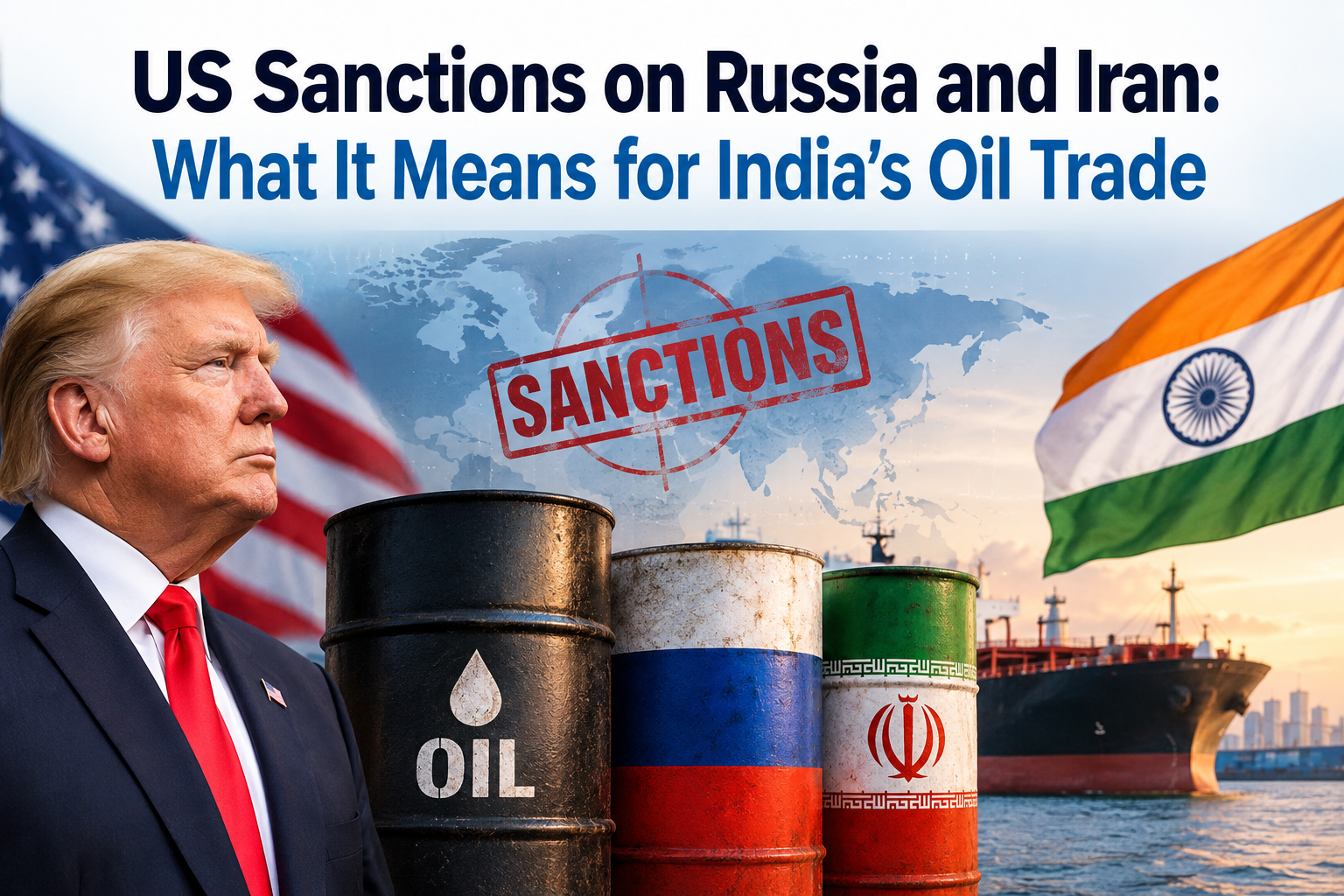
The oil trade equation just got more complicated for New Delhi. The US House cleared the Lindsey O. Graham Sanctioning Russia and Iran Act of 2026 on September 16, months after the Senate had already waved it through in early August by a lopsided 86-11 vote. What it does, in practical terms: hand Trump the power to slap tariffs as steep as 100 percent on India, China, and any other country still filling up on Russian oil and gas. The bill’s next stop is the president’s desk, where a signature would make it law.
That’s not a detail India can shrug off. Over the past few years, the country has quietly become the single biggest buyer of discounted Russian crude on the planet — so this isn’t background noise, it’s directly aimed at a habit New Delhi has built its energy strategy around. Buried in the bill is a clause letting the president hit the five largest buyers of Russian oil or gas with tariffs up to that same 100 percent ceiling. There’s an escape hatch, though: countries pulling less than 15 percent of their gas from Russia, and who can show they’ve already been winding that down, get a pass.
New Delhi’s response was swift and calibrated. The Ministry of External Affairs made clear that India remains committed to energy security for its 1.4 billion people, and said it will keep sourcing energy based on diversification and market realities rather than political pressure. Officials also noted that India has flagged its concerns about the bill’s fallout to US counterparts at senior levels for months now — this isn’t a surprise landing on anyone’s desk.
This isn’t India’s first brush with this kind of pressure. October 2025 sanctions on Rosneft and Lukoil already pushed Indian refiners to line up alternative crude supplies from the Middle East. That pivot got complicated fast: the Iran conflict and the temporary closure of the Strait of Hormuz — the very corridor through which nearly half of India’s crude and gas imports pass — undercut the diversification plan almost as soon as it started.
There’s a tariff angle too, and it cuts both ways. Back in February, Trump and Modi struck a deal reducing tariffs on Indian goods from 50 to 18 percent, contingent on India scaling back Russian oil purchases. This new legislation raises the stakes again, since it hands Washington a much bigger stick — a full tariff rate hike, not just a partial one — if Delhi doesn’t keep cutting.
On the ground, some Indian refiners are already adjusting. State-run players including Mangalore Refinery and Petrochemicals and HPCL-Mittal Energy have signaled they’re pulling back from Russian crude, while Reliance — which holds a long-term Rosneft contract — is expected to wind down its intake too. Not everyone is following suit: Nayara Energy, which is partly Rosneft-owned and already under EU sanctions, looks likely to keep buying.
Moscow, meanwhile, seems unbothered — or at least wants to look that way. A senior Russian energy official pushed back on the idea that politics should dictate who buys what from whom, insisting instead that the India-Russia energy relationship runs on plain economic logic, not diplomatic pressure.
What happens next largely depends on Trump’s signature and how aggressively the tariff authority gets used. Analysts warn that if enforcement is broad, India could face a genuine supply squeeze, higher freight and insurance costs on the tankers still willing to carry Russian crude, and knock-on inflationary pressure at home — all while its refiners scramble, again, to reroute toward Gulf suppliers.