


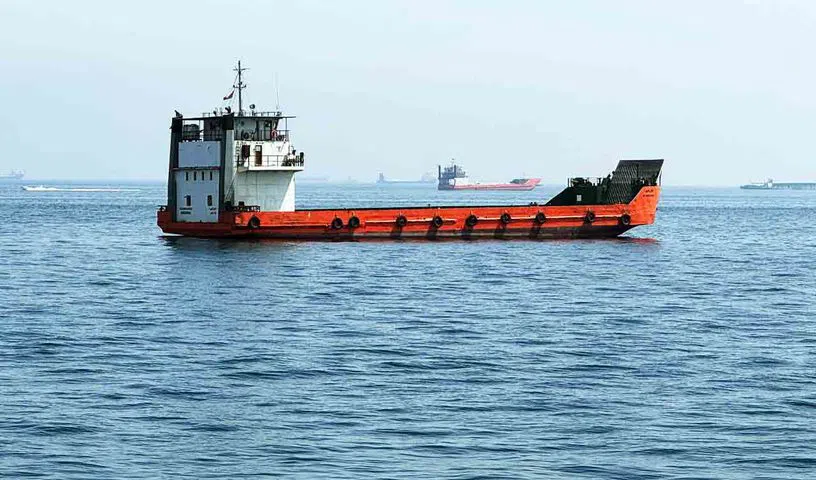
According to multiple reports, large volumes of oil are waiting at the Strait of Hormuz to transit. Nearly 80 million barrels of oil awaits passage through the strategic waters as a tentative US-Iran peace deal restores shipping.
About 40 very large crude carriers (VLCCs), loaded with non‑sanctioned Gulf crude, are currently stationed inside the Persian Gulf, reports reveal. Besides, Iranian oil and small tankers have also been positioned in the area. According to sources, roughly 15 million oil transit per day through the water ways during the pre-war period. Data from a report revealed, roughly 21 VLCCs are signalling Asia as their destination including 5 heading towards China, Malaysia and Singapore.
Earlier this week,3 Saudi super tankers repapered in the Gulf of Oman indicating resumption of traffic. A total of 25 commercial vessels are said to have transit the water channel since the interim deal between US and Iran was concluded on Thursday. Under the deal, Iran agreed to open the crucial route. US navy informed to have retreated its forces easing the naval blockade.
Brent crude future stayed set for a weekly fall of around 8 per cent. Brent crude futures were up 66 cents, or 0.53 per cent, at $80.38 a barrel by a barrel by 1:30 p.m. ET, while US West Texas Intermediate crude CLc1 was up up 94 cents, or 1.23 per cent, at $77.54 per barrel.
In an undated advisory circulated by the maritime industry, Iran has introduced a permit to pass the strait. Sources reveal, Iran’s Persian Gulf Strait Authority said, “no vessel is permitted to pass through the Strait of Hormuz without a valid passage permit issued by the PGSA”.