


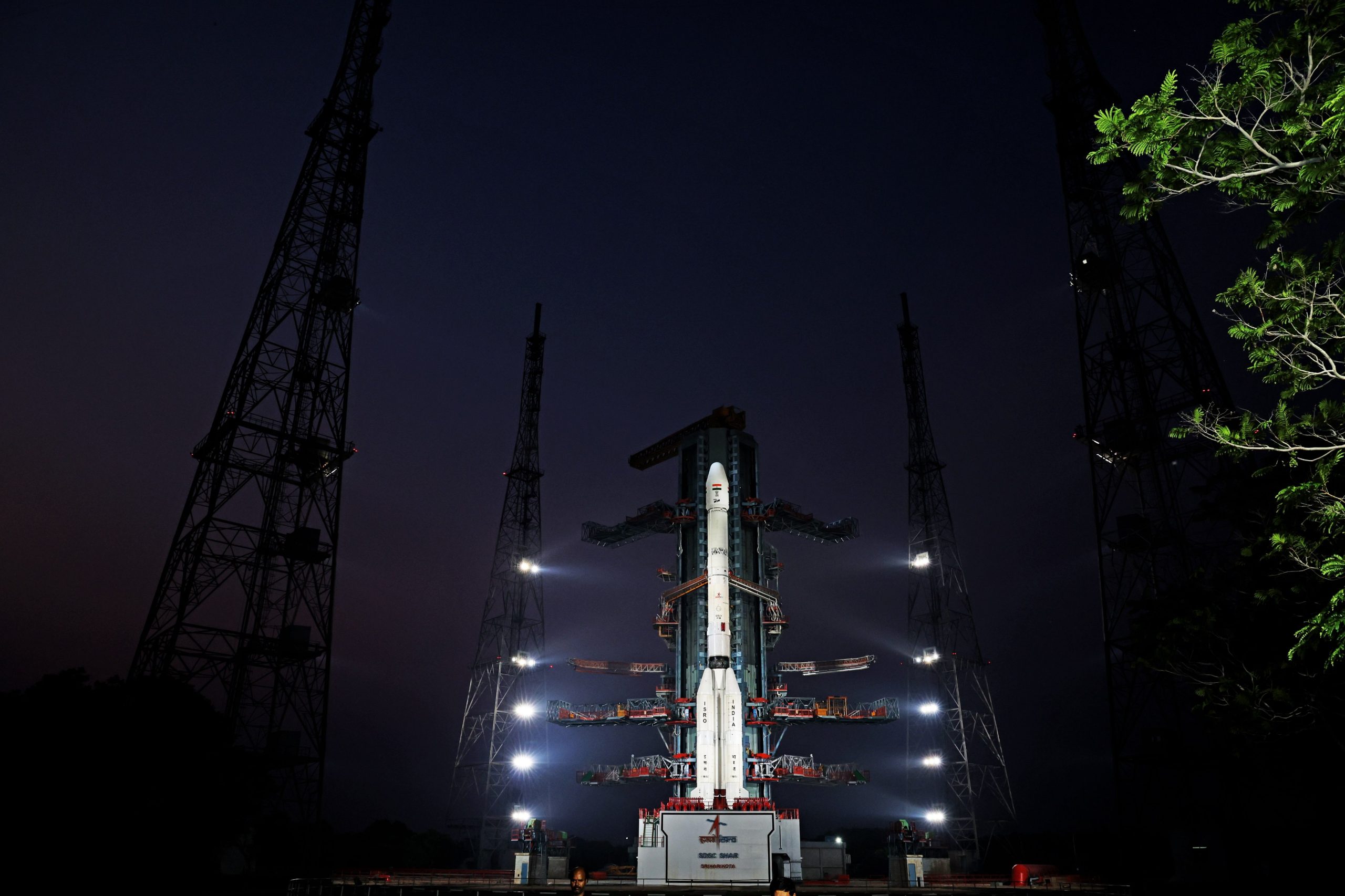
Appreciating efforts, Prime Minister Narendra Modi on Saturday congratulated ISRO scientists and engineers after the successful launch of GSLV-F18 carrying the NVS-03 satellite.
Taking to X, PM Modi wrote, “This mission marks an important step in strengthening NavIC, our indigenous satellite navigation system”.
The GSLV-F18 rocket lifted off from the Satish Dhawan Space Centre in Sriharikota on Friday, placing the 2,250-kg satellite into its intended Geosynchronous Transfer Orbit, an elliptical orbit used before a satellite moves to its operational position.
What is NVS-03?
NVS-03 is the third satellite to ISROs next gen navigation series. The satellite is developed to maintain and improve services under the Indian Regional Navigation Satellite System, also known as NavIC. This satellite harbors an indigenous atomic clock alongside procured atomic clocks. These clocks provide the precise timing needed to calculate a user’s position.
It also adds an L1 navigation signal to the existing L5 and S-band signals, expanding the system’s bandwidth. NavIC is designed to provide position, navigation and timing services across India and up to 1,500 kilometres beyond its borders.
The mission holds sheer importance as it restored the NavIC constellation to its minimum operational configuration of four satellites. ISRO Chairman V Narayanan described the system as a strategic national asset that gives India independent access to navigation and timing services.
The mission marked the 20th flight of the GSLV. It also marks the shortest 56-day gap between successive GSLV missions.