


As per reports, Iran attempted to interfere in the Israeli election this week and will try to disrupt the US midterm elections next week.
“We have been looking into ways to recruit agents in both the American and Israeli regimes’ election processes,” one official said, adding that “powerful cyber groups have also been established to hack their election systems”. Meanwhile, another official described it as an extension of its war with the US and Israel.
“War does not just mean missiles and guns when we are under their blockade,” he said. “It also means we are prepared to disrupt their elections, their banking, their travel and all their ordinary systems. We are not in favour of any candidate anywhere, but we would like to see a divided America and a divided Israel.”
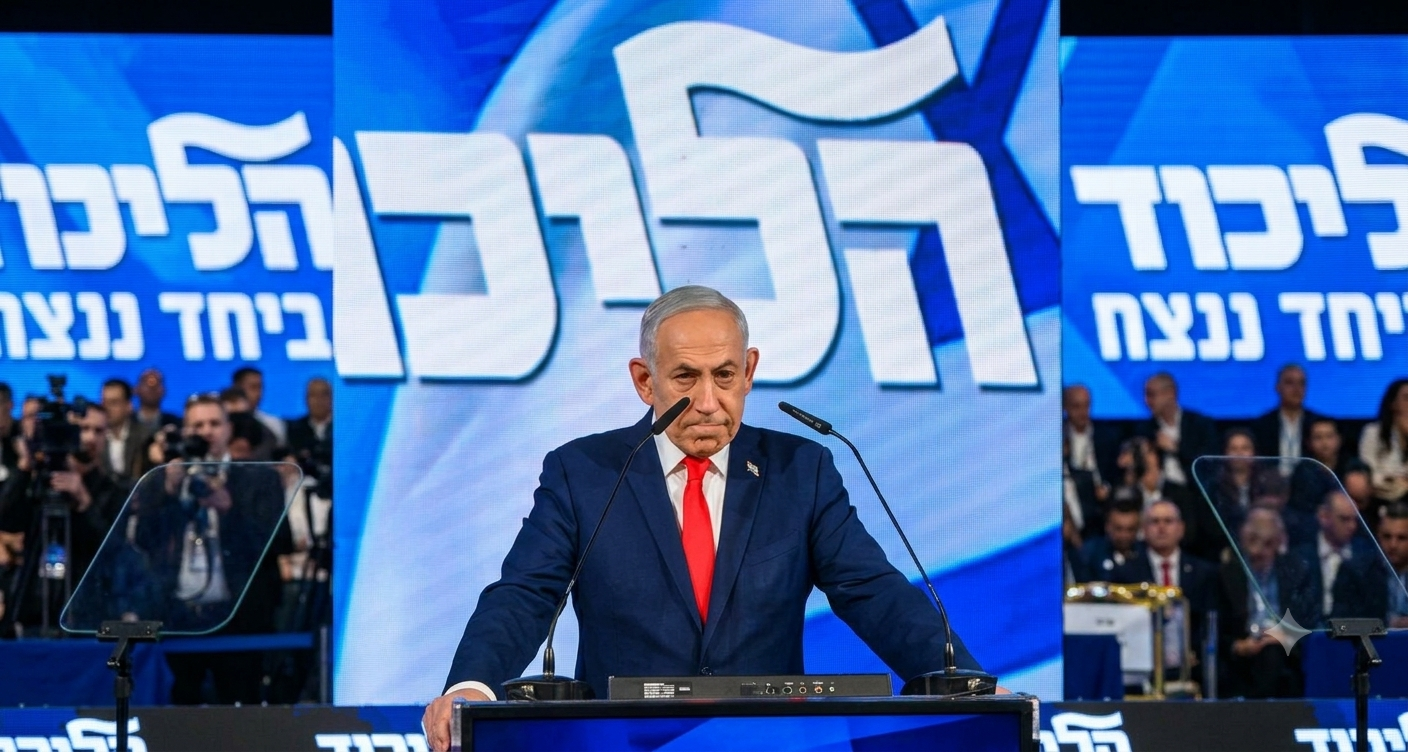
As voting continues in Israel, Benjamin Netanyahu and his allies have amplified allegations of election fraud against parties representing Palestinian citizens in Israel. He and members of his coalition have referred the parties to Shin Bet, the country’s domestic security service, for investigation. Netanyahu’s Likud party accused the Palestinian parties of “stealing” the election and claimed, without evidence, that they received money from Qatar.
Meanwhile, Qatar’s foreign ministry spokesman, Majed al-Ansari, rejected the allegations, saying they were “ridiculous and dangerous”.
Responding to the claims, he said: “We categorically deny allegations that Qatar has interfered in Israeli elections or funded any activities intended to influence their outcome.”
The central elections committee’s acting director general, Dean Livne, said there was “no basis for claims of systematic violations of election integrity”.
The Israeli police also dismissed the claims, according to comments reported in Hebrew-language media, with one source quoted as saying: “Election day passed with very few irregular incidents.”
So far, Netanyahu’s bloc is projected to win 53 seats, compared with 48 for the grouping led by rival Eisenkot. Palestinian parties are projected to win 19 seats, a record high.
Both Benjamin Netanyahu and his immediate challenger, Gadi Eisenkot, lack the seats in the Knesset to form a majority government. Eisenkot and his allies face a clear choice.
As per reports, they could forge a pact with the Arab Israeli parties, currently heading for an historic 19 seats, which would allow them to vote Netanyahu out and form a governing coalition. Or they could enter a unity government with Netanyahu, in return for a ministry or two.