


US Federal reserve raises Interest Rates for first time since 2023 despite Trump’s push for cuts

The Federal Reserve of the United States of America (U.S. Fed) raised rates for only the first time since July 2023, the Federal Funds Rate (FFR) was increased by a 25 basis point (bps) increase to a target range of 3.75% to 4%. That followed several requests by President Donald Trump for much reduced interest rates.
The Federal Open Market Committee (FOMC) unanimously gave its approval. The central bank maintained and reported that economic activity was growing at a “solid pace,” domestic spending continued to hold up well, and productivity growth and capital expenditures were robust. It does, however, add that inflation still has plenty of room to run and that the new move was designed to move it back towards its 2% inflation target more quickly.
Fed Chair Kevin Warsh came out in support of the decision, saying inflation was focused on and needed to be dealt with. As the central bank has dialed up its rhetoric on maintaining price stability, the interviews do not significantly suggest otherwise, Warsh said in the Reuters report, as underlying inflation trends didn’t improve significantly during the summer.
This rate change might not be the last of the year. The Fed’s new projections also pointed to an additional 25-basis-point hike by the end of 2026, suggesting borrowing rates may climb a bit even more if inflation does not return to within the Fed’s target range soon.
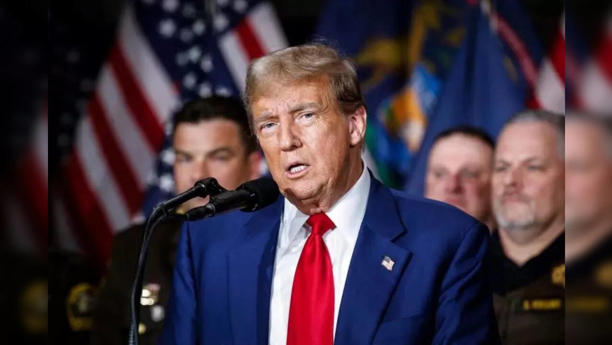
The ruling also leaves the Fed at odds with Trump, who has frequently called for lower rates. Trump slammed the new move on social media, and that the U.S. rates ought to run so much lower. His government is also under pressure for its pressure on the Central Bank and its independence.
Several factors have influenced the inflation: rising oil and gas prices due to the Iran and U.S. conflict, tax changes, investment in the artificial-intelligence industry and strong investment in the financial sector.
It is also not an insignificant time frame, as the United States is heading into the 2026 45th midterm elections which are anticipated to be one of the key concerns for voters. With the most recent rate rise, the hike is an additional factor in the US inflation bor-omp saga, which has become more complex with the latest move.