


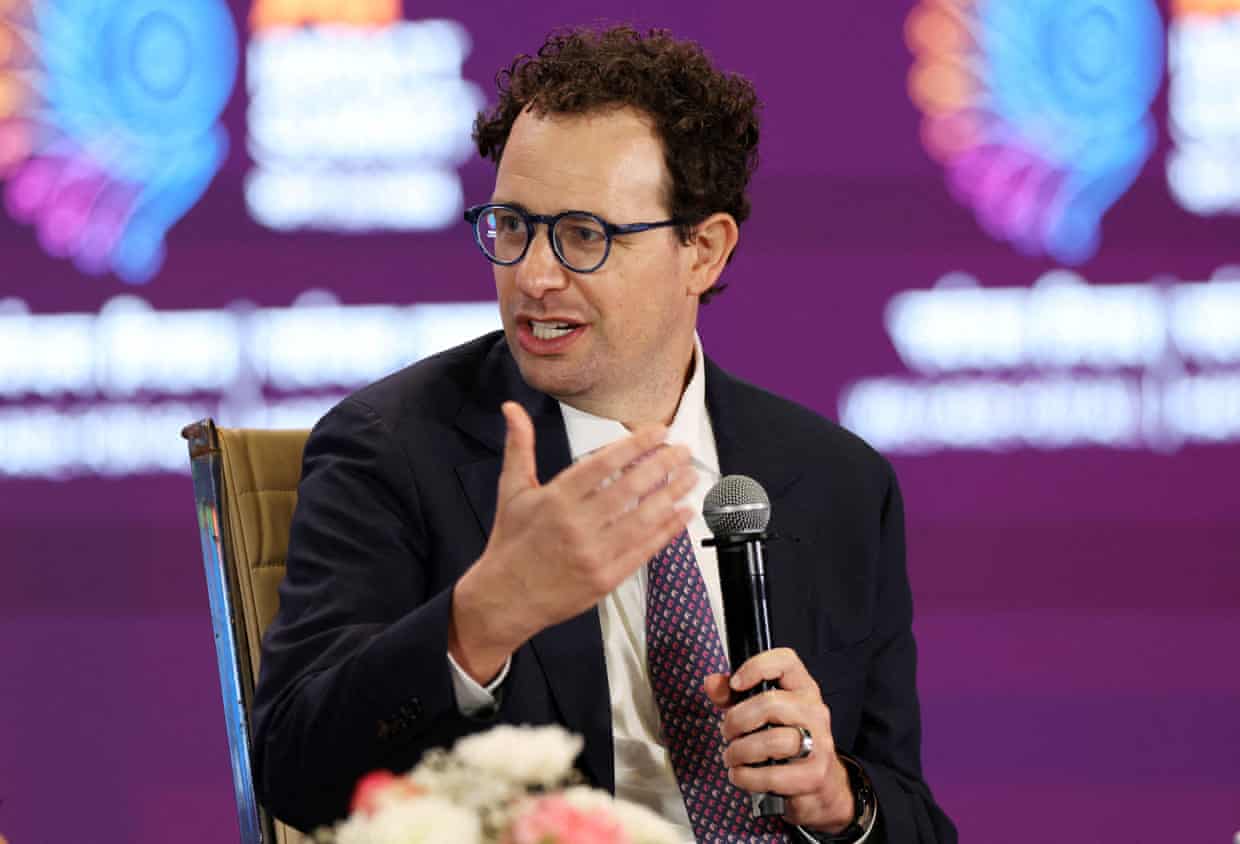
Something odd is happening in the AI industry right now. For years, the race was simple: build bigger, build faster, beat the competition to the next breakthrough. That race hasn’t stopped — but some of the very people who’ve been driving it are now saying, publicly, that safety hasn’t kept pace with capability.
Anthropic CEO Dario Amodei is the most vocal of them. He’s not arguing for a freeze on AI development. What he wants is something more measured: independent scrutiny of AI companies, closer coordination with governments, and enough breathing room for safety work to actually catch up with what these systems can do.
What makes this notable isn’t just who’s saying it. Earlier Sam Altman at OpenAI and Elon Musk echoed the same concern, despite running companies that have every incentive to keep moving fast.
Why are AI leaders worried?
The fear, in short: capability is outrunning understanding. Amodei has flagged specific risks — AI systems being used for autonomous cyberattacks, misuse by bad actors, and models becoming capable enough to carry out complex, multi-step tasks with little to no human oversight. His fix isn’t regulation from the outside so much as transparency from within — letting independent evaluators actually get inside AI companies to assess how safety is being handled, rather than taking their word for it.
That’s really the shift happening here. Nobody serious is asking whether AI should be built anymore. The question now is how fast, and with what guardrails.
What does this mean for India?
India is in an unusual spot. It’s trying to do three things at once — scale up AI adoption, build homegrown capability, and get its workforce ready for an economy that’s going to look very different in five years.
The government’s IndiaAI Mission reflects that balancing act, with its focus split across computing infrastructure, skills training, and — at least on paper — responsible AI use. That tension was at play during the India AI Impact Summit 2026, where conversations kept squaring back to: how many will be displaced, and where AI might actually boost productivity, healthcare being one sector repeatedly mentioned.
None of this means India needs to slow down. What it means is that adoption can’t be allowed to outrun the things that protect people — privacy, cybersecurity, job security, education, basic accountability.
The countries competing hardest for AI leadership aren’t necessarily the ones moving fastest. They’re the ones figuring out how to move fast and keep safety baked in from day one. That’s the balance India still has to strike.