


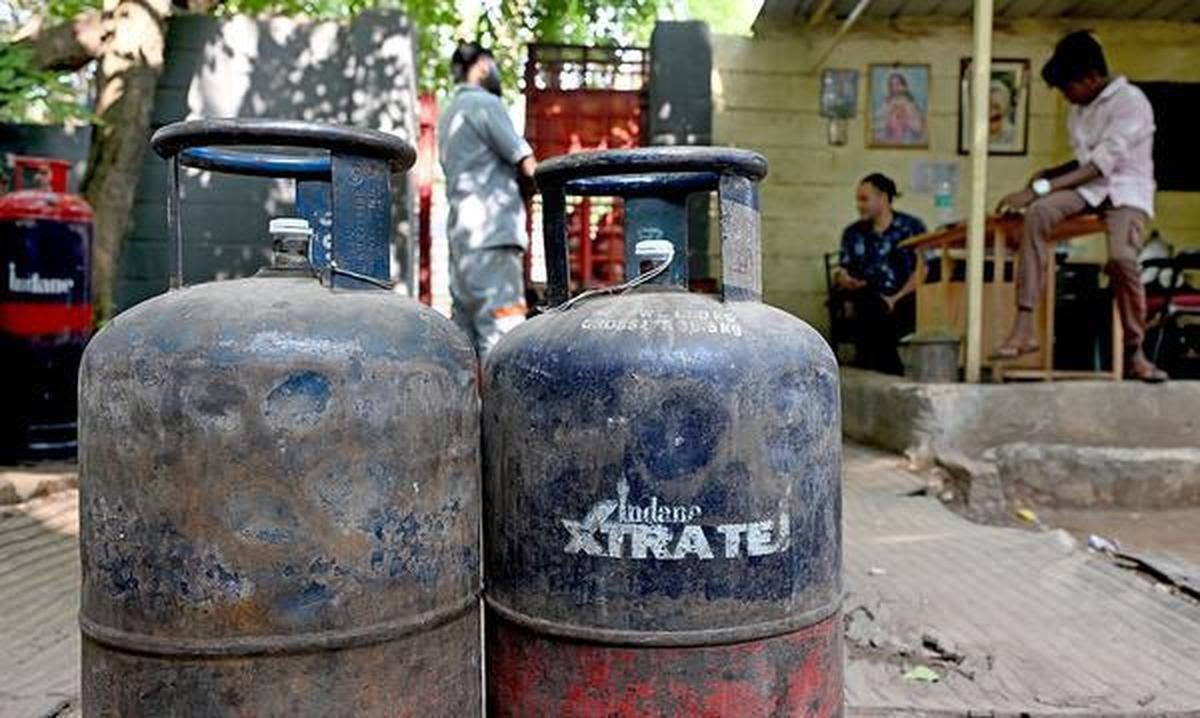
Restaurants, hotel caterers and other food businesses are facing a new challenge as cooking fuel costs rise. As the Centre hiked cooking fuel costs from September 1, oil marketing companies raised the prices of 19-kg commercial LPG cylinders by Rs 9.50 to Rs 11.50 across major cities.
In the national capital, the price of the 19-kg cylinder has increased from Rs 2,738 to Rs 2,747.50. In the financial capital, Mumbai, the cylinder now costs Rs 2,701, while the prices in Kolkata and Chennai rose to Rs 2,884 and Rs 2,916.50, respectively. Besides, the price of the 5-kg market-priced LPG cylinder has also been increased by Rs 2.
The latest increase is, however, unlikely to affect consumers directly or translate into a major jump in restaurant bills. The most significant concern for food businesses is the direction of prices after two consecutive months of reductions.
Commercial LPG prices in the past two months have dropped by Rs 183.50 in July and Rs 192 in August, respectively. The August reduction brought the price of the commercial cylinder down from Rs 2,930 to Rs 2,738. The September revision therefore marks the first increase after two straight monthly cuts.
For food business owners, the impact depends largely on how heavily they rely on LPG. A small eatery that might use several cylinders over a week will feel the increase more directly than a large restaurant that has shifted its cooking operations to electricity and other fuel options. Caterers and businesses operating large kitchens could also see additional costs accumulating over several cylinders.
The major question here remains whether restaurants will pass this hike on to customers by revising their menu cards.
For now, a blanket increase in food prices appears unlikely based solely on this month’s LPG revision. The Rs 9.50 increase in Delhi amounts to only 50 paise per kg of LPG. Even for a restaurant that uses several cylinders, the additional fuel cost has to be spread across hundreds of thousands of dishes before determining the impact on an individual meal.
The food industry is currently at a highly competitive stage, where it becomes difficult for restaurants to pass every increase directly on to customers. Raising prices too frequently can risk losing diners, particularly for small eateries and budget restaurants.
However, the calculation could change if commercial LPG prices continue to rise in the coming months. Restaurant operators may have very little choice but to either change the menu, increase prices, reduce margins, adjust portion sizes, change cooking methods, or eventually absorb the additional cost.
This is not the first time restaurants have faced this dilemma. During the sharp LPG price and supply pressure earlier this year, as the Middle East war broke out, restaurant owners in Telangana were struggling to bear higher cooking fuel costs rather than passing them on to customers because doing so was driving diners away.
The September increase comes against the backdrop of continued volatility in the international energy market. Commercial LPG prices surged sharply earlier this year before the July and August relief.
While it is yet to be determined if consumers will be directly impacted by this hike, if commercial LPG begins another sustained upward trend, restaurants and food businesses will eventually be forced to make a choice: either absorb the higher costs and accept thinner margins or pass them on to customers.