


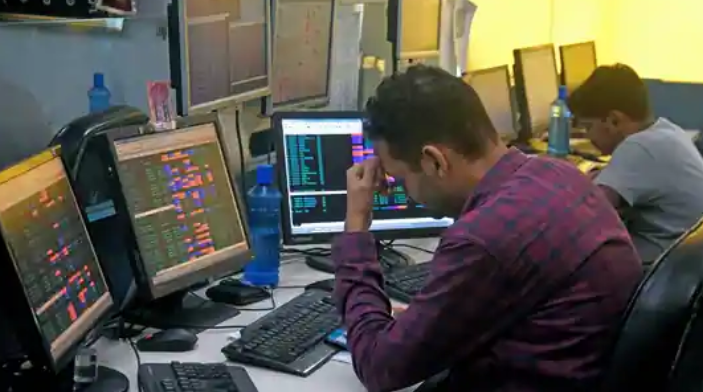
Friday witnessed an alarming end-of-the-day crash in the Indian stock indices that wiped out the entire gains accumulated over the course of the day. The benchmark index of BSE Sensex plunged by 1,092 points, or by 1.44%, closing the trading session at 74,775.74, whereas the broader NSE Nifty50 tumbled by 359 points, or 1.5%, ending the day at 23,547.75.
What led to this sudden sell-off was a combination of three major factors, creating a cocktail of threats for both retail and institutional traders. The first and foremost among those concerns was the issue related to geopolitical tensions amid expectations of a possible deal between Iran and the United States. After the emergence of reports from across the globe that the political elites of the US were still unwilling to agree to an irrevocable deal, investor optimism took a nosedive once again. Along with this factor, the problem of rising crude prices added to the volatility of the market.
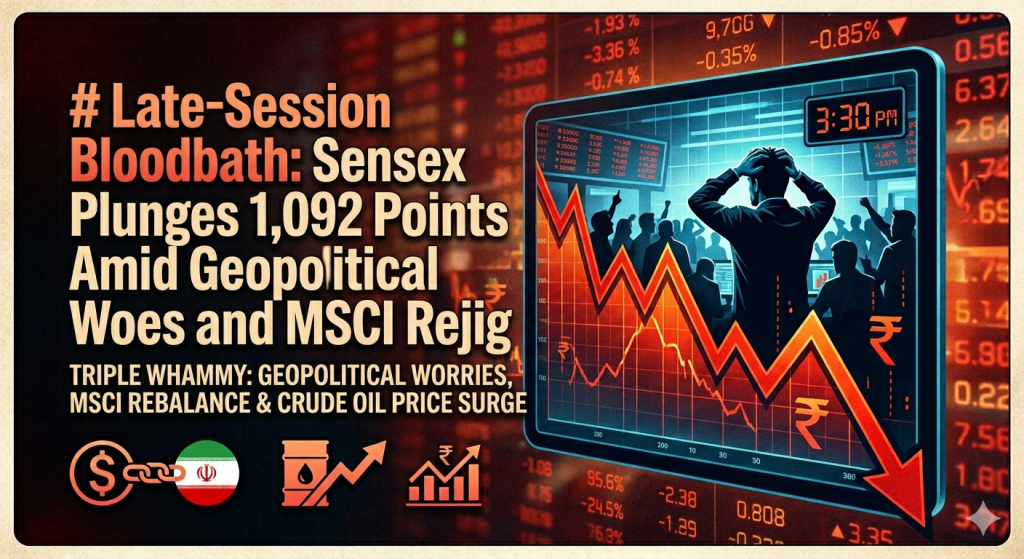
Being the third-largest importer of oil in the world, India is extremely susceptible to high fuel prices, as they can lead to reduced margins, inflation at home, and an increase in the current account deficit. Adding to the sense of panic among investors, there were massive structural volumes seen in the equity markets after 3:00 PM due to the quarterly rebalancing exercise conducted by Morgan Stanley Capital International (MSCI).
Passive investors globally were seen switching their investments to conform to India’s new index weights in the MSCI Emerging Markets Index. According to analysts from IIFL Capital, this move resulted in capital outflows totaling about ₹8,000 crore, with large-cap names such as Reliance Industries and banking shares being disproportionately affected. Oil & Gas, Metals, and Auto sector indices were badly hit by this move, each falling more than 2%, while the IT sector witnessed gains of 0.6%.
Join our whatsapp group for Latest updates
Click Here for Chhattisgarh News
Click Here for Entertainment News