


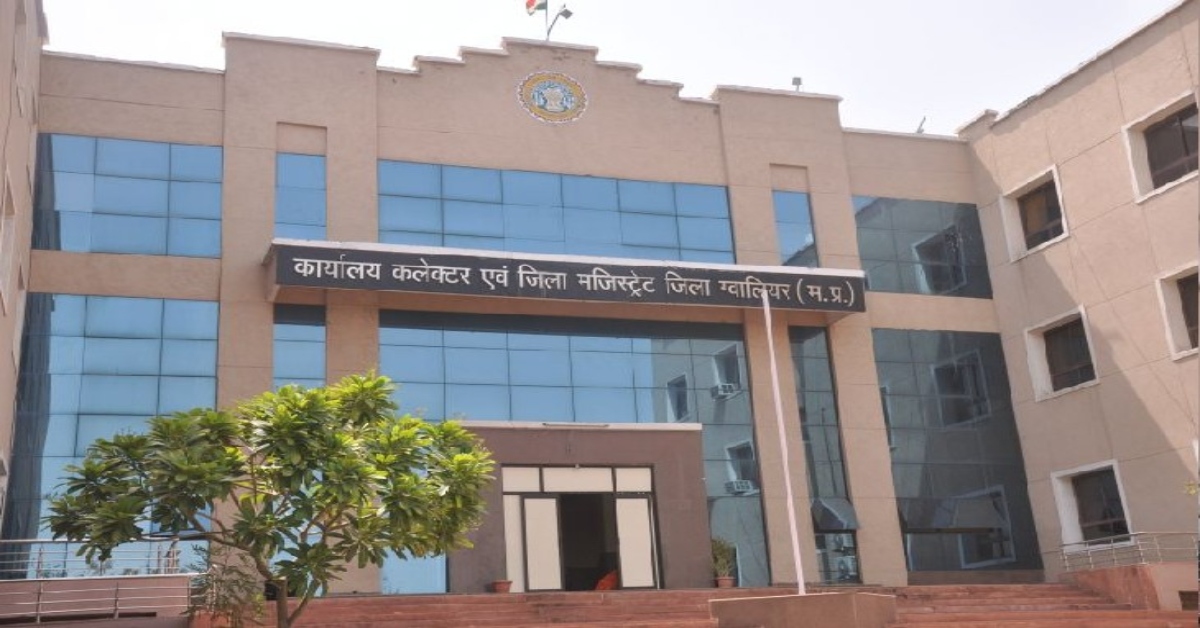
Ambulance service 108 is fighting its own serious battle and is viewed as a lifeline of emergency health care, as its employees allege the unit suffers from poor maintenance, late pay, and tough work lives. The agitators among the drivers and EMT staff appeared before the District Magistrate in the Collectorate and complained about the issues at hand, urging prompt remedial measures to resolve the issues.
The employees say that there are now seven to eight ambulances in the district, which are lying idle without getting maintenance. Fabricated ambulances operating in the hot summer weather are reportedly in use, making contact with the vehicle extremely uncomfortable for patients and staff alike. Multiple ambulances are reportedly being used that are not air-conditioned, adding to the heat, discomfort, and inconvenience.
Staff also decried that several ambulances are dilapidated, ranging from broken down lights to mechanical problems, as they are used for emergency callouts. Ambulances are also said to be parked in the middle of the road partly as a result of a lack of diesel fuel, endangering lives.
The staff accused JASS company, which runs the 108 ambulance service, of being negligent about the previous complaints from staff about the maintenance of their vehicles and operational arrangements.
In addition to infrastructure problems, workers also commented on the poor working conditions. Then, they claim that ambulance drivers and EMT employees are forced to work 12-hour days, but never make any money on time.
If the going doesn’t get better soon, the employees protesting could be faced with the threat of having to walk off the job, and that could have a serious impact on emergency health services in the district,” the union workers said.
The swelling discontent of ambulance workers has shed light on the reality of healthcare services and emergency response administration. Failure to properly maintain the ambulances and restiveness of the employees have been major concerns over the problem in the emergency health care system.
Any action in regard to the complaints put forward by the workers has yet to be announced by officials. But the workers state that there should be quick action to rectify the proper functioning of the ambulances and ensure a patient’s safety. Failure to make the improvements on time may directly affect the critical healthcare delivery and emergency medical response in the region.