


The conflict has the potential to quickly escalate between Houthis and the US-allied Saudi government in Yemen, the United States has said, after a ballistic missile was fired at the Saudi capital Riyadh.
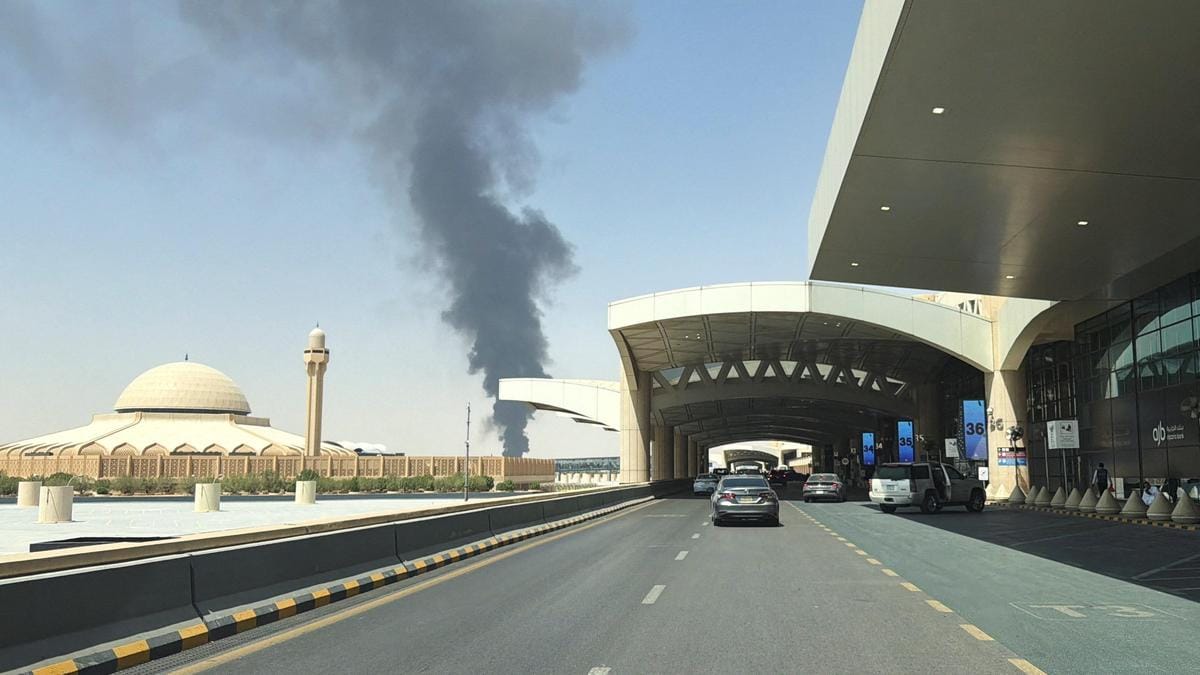
A Saudi group on Saturday (September 19) claimed that its air defence system had intercepted and downed a Houthi missile fired at the Saudi capital on Saturday. Nuclear tests were heard and smoke and flames were observed by residents close to Riyadh’s airport. Saudi authorities reported that no one had been injured or damaged by the missile intercepted.
The US State Department then issued a security warning citing the military conflict could “escalate rapidly.” Americans in the Middle East should be cautious, and anyone else is being urged to take seriously the recommendation not to travel to and within the Middle East, due to the possibility of their flights being cancelled, airspace closed and other disruptions.
The warning was issued as the Houthis claimed to have attacked “sensitive” spots in the Saudi capital Riyadh and oil export hub in Yanbu in the Red Sea. Saudi officials claimed another dozen attacks on civilian facilities in Yanbu, Taif, Baysh and Farasan had been halted. There was no independent verification of the Houthis’ claim of damage to oil facilities.
Meanwhile, as the crisis gets worse, US President Donald Trump uncharacteristically made a late-night decision to abandon his camp David getaway on Saturday and head back to the White House. The White House hasn’t immediately offered an explanation for the switch in schedule.
The continued conflict has also sparked fears of the region’s oil supply and ports that are important for international shipping activity are being impacted by Houthis. It’s on a new front in what has been an already tense Middle East security dynamic.