


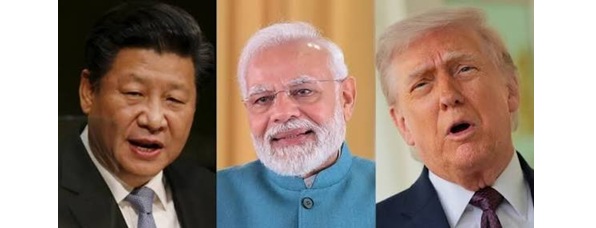
The United States Senate has introduced a revised Russia sanctions bill that lowers the proposed tariff on India and other buyers of Russian oil from 500% to 100%, while expanding sanctions on Moscow’s energy sector. The bill significantly reduces the proposed tariff on countries such as India and China for continuing to purchase Russian oil and natural gas, while retaining broader measures aimed at increasing pressure on Moscow.
The updated bipartisan legislation seeks to impose fresh sanctions on Russian officials, banks and energy projects, while encouraging countries dependent on Russian energy to reduce imports through tariff measures.
According to media reports, the revised proposal lowers the maximum tariff on major third-party buyers of Russian oil and gas from the previously proposed 500% to 100%.
The legislation was originally championed by the late Senator Lindsey Graham, who had earlier said he reached an understanding with US President Donald Trump to move the proposal forward. Graham passed away on Saturday.
The proposed legislation identifies India, China, Slovakia, Hungary and Azerbaijan among the largest buyers of Russian crude oil. It also names China, France, Japan, Hungary and Belgium as key importers of Russian natural gas.
The bill provides exemptions for countries importing less than 15% of Russia’s natural gas exports if they are actively working to reduce their dependence on Russian supplies. This provision could benefit countries including Japan, France, Hungary and Belgium.
Apart from tariff measures, the legislation proposes sanctions against Russia’s so-called “shadow fleet” of oil tankers that operate outside Western shipping networks. It also targets Russian financial institutions, including the country’s central bank, along with major energy projects such as Yamal LNG and Arctic LNG.
The updated bill includes a provision allowing President Donald Trump to temporarily waive sanctions if he determines that doing so serves the national interest of the United States.
According to Senate aides, the legislation currently has 26 co-sponsors from both the Republican and Democratic parties. The bill is expected to advance after months of discussions aimed at securing broader support within the Senate and the White House.