


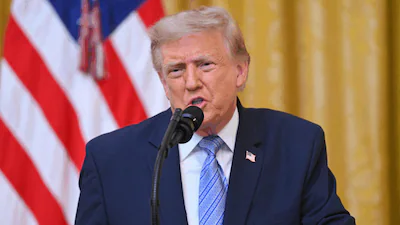
The Lindsey O. Graham Sanctioning Russia and Iran Act of 2026 has been signed into law by U.S. President Donald Trump, providing his administration greater authority to levy tariffs on countries that do not halt their import of Russian oil and gas. If Trump does decide to exercise that power, India and China, two of the largest purchasers of Russian crude, may be subject to tariffs as high as 100%.
The bill was approved two days ago by the Republican-led House of Representatives on a 262-159 vote, and was signed into law by President Barack Obama Friday. That same bill passed the Senate on an 86-11 vote in August. The late Republican Senator Lindsey Graham, who returned from a visit to Ukraine in July, is the namesake of the new law.
The new law, which will come into effect in the coming weeks, will affect Russian entities – including officials, banks, energy firms and networks – believed to have helped the Kremlin circumvent existing sanctions. It also addresses the Russian ‘shadow fleet’ of oil tankers that has been responsible for carrying oil despite western sanctions.
The most important part allows the U.S. president to implement tariffs of as high as 100% on the five countries which import the most Russian oil and gas. It seems that at the moment two of the countries most affected by this provision are India and China. It is important to note that the 100% tariff is not automatically applicable to India, it will depend on the action of the administration in deciding the rate and implementation.
The bill also mandates sanctions, including up to 500% tariffs, against some Russian products, and reimposes penalties on Iran-related matters. Some US lawmakers have raised questions about the extent of presidential authority with the broad powers to enact tariffs.
The effect on those countries that export to India will depend on Trump implementing the secondary tariffs and the amount and types of goods that will actually be affected. Indian exporters would thus have to wait for more clarifications from Washington on the economic implications.