


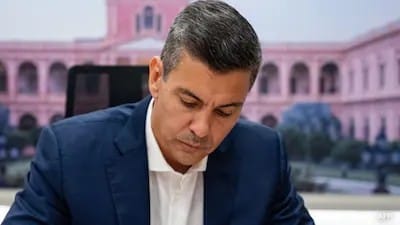
On Thursday, Paraguayan President Santiago Pena stepped down due to a large banking crisis that sparked massive protests around the country. The crisis started with the Paraguay Central Bank’s frozen deposits at Ueno Bank valued at US $3 billion for approximately three million users of the bank, who were pensioners and others.
The protest led to a large-scale protest outside Congress in which thousands of people protest inside the building asking for their money back. Pena has not yet been confirmed as backbench, so involves a technical “pending” period until it is confirmed by parliament.
Impeachment Proceedings Launched
Thursday, lawmakers voted unanimously to start the impeachment process regarding the crisis, against Pena.
The proceedings contain claims of wrongdoing, a conflict of interest with the bank, which had been associated with the president.
He will go to his impeachment trial, which begins Friday, Pena said. When he announced his resignation in a video, he expressed “a profound remorse” for “disposing of” the trust of Paraguarians and assured them he never meant to surrender it.
Protests Grow Over Frozen Deposits
The Central Bank explained that it seized Ueno Bank due to its massive deficit in capital and as part of its efforts to safeguard the interest of depositors and the financial system at large.
But at the same time, the seizure impacted consumers negatively, as they began to try to withdraw money from their banks, leading to long lines outside the branches.
Pena also held shares in a group of companies that controlled the bank at another time but has sold the shares last year.
He tried to defuse the situation by asking for the resignation of the president of the Central Bank and said that the money would be returned in five days. But such efforts did not appease the public rage.
Congress is now up to deciding what to do: acknowledge Pena’s resignation or keep going with the impeachment.