


In a bid to protect the future generation from digital toxicity, the New Zealand government on Monday introduced legislation to ban children under the age of 16 from using social media, joining a growing number of countries seeking to protect youngster from harmful online content and excessive social media use.
The proposed law comes after Australia became the first country to implement a social media ban for children under 16 in December last year. The UK and France later joined the group in restrict children’s access to social media platforms.
Under New Zealand’s proposed legislation, social media companies such as Meta could face fines of up to 10% of their global revenue if they fail to comply with the age restrictions.
Highlighting that social media is exposing them to harmful content, addictive technology and pressures they are not equipped to deal with. Prime Minister Christopher Lukashen said, We simply cannot accept the harm being done to a generation of New Zealand children,” Prime Minister Christopher Luxon said.
“We simply cannot accept the harm being done to a generation of New Zealand children,” Luxon said.
“One in three children aged between 13 and 17 are now spending at least five hours on social media a day,” he added.
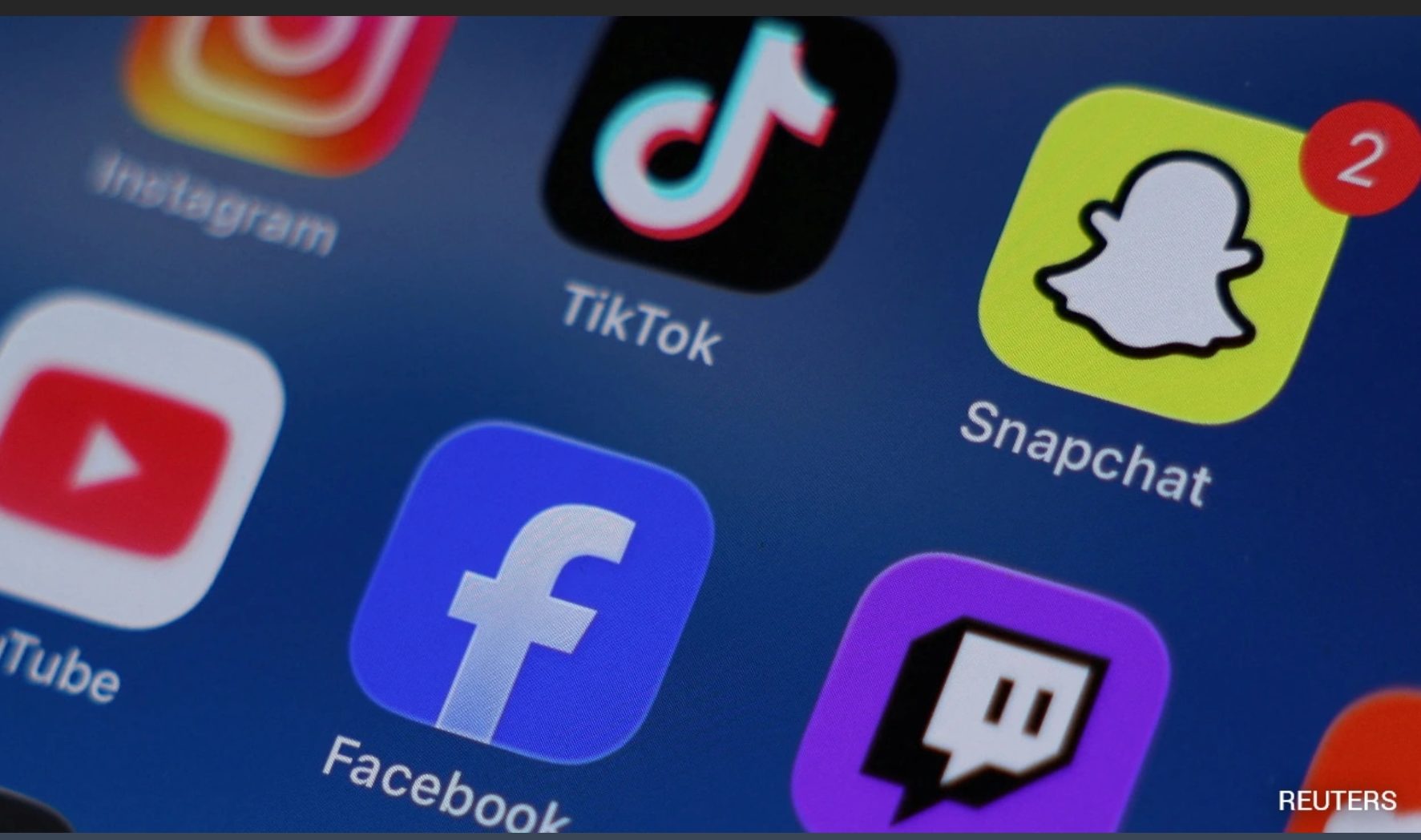
Pointing out platforms including Instagram, TikTok, Snapchat and Facebook, Luxon asserted they would need to take reasonable steps to verify whether users are aged 16 or older. Luxon said platforms could double check using existing account information, facial age estimation, digital ID services and formal identification documents to verify users’ ages.
The proposed legislation would also require social media companies to assess the risks their platforms pose to young people and submit reports detailing how those risks are being reduced.