


Iran’s Parliament has voted to accept a proposal that it would levy fees on ships for providing services through the critical Strait of Hormuz that they pass through, amid growing tensions between Tehran and Washington.
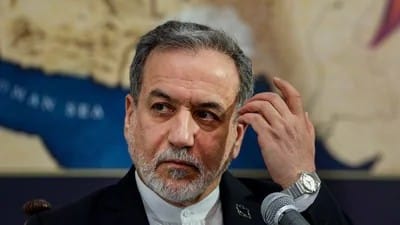
Vessels from countries approved to use the waterway will be charged, says Hassan Qashqavi, the spokesman for Iran’s National Security and Foreign Policy Commission. He says that could be in Iranian rials or in any other currency selected by Iran.
The agreed provision, that became part of the Strategic Action Plan to Ensure Security and Progress in Strait of Hormuz exists in respect of such services as maritime assistance services, environmental services, supply of fuel services in “special conditions”, insurance services, safety services.
The measure also respects national rights, sovereignty and security of the nations in the region of the Strait of Hormuz, Qashqavi said.
The development follows some Iranian government warnings that the waterway could remain shut until the U.S. adjust its policy to Tehran. Economic pressure against Iran could prompt Tehran “to attack” oil exports from the Persian Gulf, Iran’s chief nuclear negotiator and secretary of the Supreme National Security Council, Mohsen Rezaei, said, referring to a possible action against the economies of the countries that support Tehran’s economic rivals, the United States and countries friendly to the US.
A possible deal between Tehran and Muscat over a shipping route would not necessarily lead to the opening of the Strait of Hormuz, said Rezaei in rejecting a suggestion from the Irani officials.
He insisted that the waterway was to remain closed until Israel changed its action and observe its promises to Washington. The developments have also generated additional uncertainty for international oil shipping markets as the Strait is so vital to oil transport.