


“Temple Is Not Made for India”: Deepinder Goyal defends Rs 85,000 price, Hits back at critics

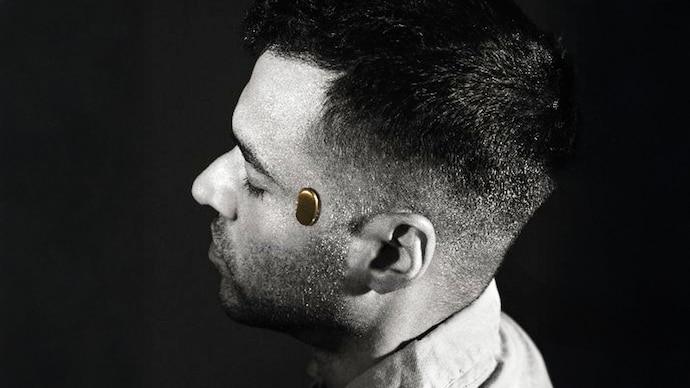
Zomato founder Deepinder Goyal, who recently entered the health tech space with his wearable device Temple, has pushed back against the online criticism it is facing. Responding on X, mostly to doctors, he said Temple is not made for India but for the world.
“Temple is not made for India. It’s made for the world,” Goyal wrote.
Why is Temple priced at Rs 85,000?
Goyal said he is pitching Temple for global markets and expects no more than 1% of its sales to come from India, possibly because of its high price of Rs 85,000. Temple is currently available for pre-orders, with shipping slated to begin sometime in 2027.
He also pushed back against people who believe the device is too expensive. He said a lot of work had gone into developing Temple and that the company had priced it according to what it believes the product is worth. He suggested that those unsure about its value could wait for user reviews before deciding to buy it.
Taking a jab at critics who see it as an Indian startup story, he wrote: “Please do not support us because we are an Indian startup. We want to compete globally. We don’t need/want nationalist support.”
“Not a medical product”: Goyal’s clarification
Goyal also sought to clarify that Temple is “strictly a fitness + AI device” and not a medical product. He stressed that Temple is not proven to diagnose or prevent any disease and does not replace the need to visit a doctor.
The row has widened, with clinical scientists calling for regulators to scrutinise claims around the device. Goyal said social media is not the regulator for Temple and that wherever regulatory clearances are needed, the company will have them before making any claim that requires them.
What is Entropy in Temple?
Highlighting the product’s capabilities, Goyal wrote that the main point of Temple is Entropy, and not BrainFlow, the term being widely circulated on the internet, though Temple itself has promoted it as one of its USPs. He also pitched the device as a companion built with privacy in mind.