


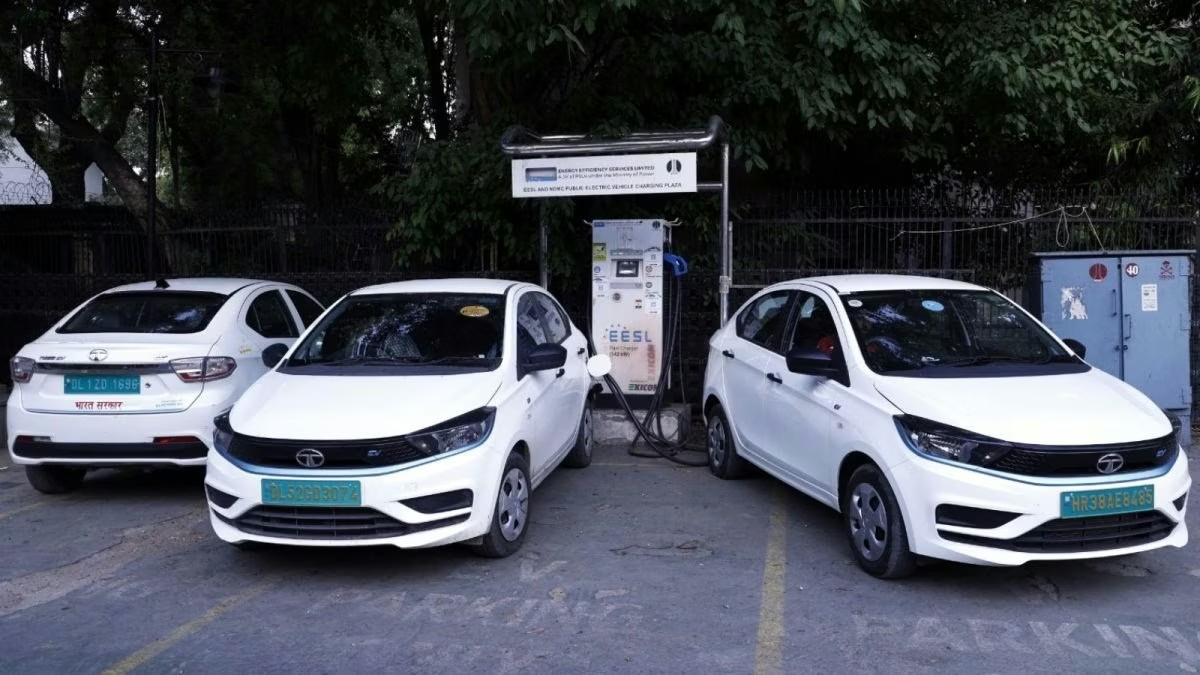
The Delhi government has announced the EV Policy 2026 to a great extent, presenting an ambitious roster of measures to speed up the EV switch. The policy is limited to electric vehicles only and will not include incentives for strong hybrid vehicles and will come into effect on July 1, and stay in effect until March 31, 2030.
The one of the biggest changes implemented by the new policy is the cancellation of tax concessions for strong hybrid variants. There have been earlier plans to continue promoting hybrid technology which were shelved and have been replaced by a focus on fully electric vehicles.
Apart from it, the policy also aims for electric two-wheelers to be the only vehicle that will be sold in Delhi from April 1, 2028. This is effectively barring residents from buying and/or registering new petrol-fuelled motorcycles and scooters in the national capital after March 31, 2028.
The policy has been supported with an investment of Rs 7,000 crore and aims to reduce the cost of EVs by offering incentives (financial) and tax exemptions. Road tax and registration charges will be waived on all electric cars for a price of upto Rs 30 lakh (ex-showroom). However these exemptions will not be applicable to luxury cars that cost more than Rs 30 lakh.
The Government has also announced direct buybacks with subsidy initiatives under the nominal of Direct Benefit Transfer (DBT). Electric two-wheelers will be eligible for incentives of up to Rs 30,000, electric three-wheelers up to Rs 50,000 and electric trucks of less than 3.5 tonnes (N-1 category) can get up to Rs 1 lakh.
The policy is one of India’s most stringent moves towards eliminating vehicles based on internal combustion engines and to curb air pollution in the national capital, officials claim. The new policy bills to drive a massive increase in the use of EVs and enhance air quality in Delhi over the next few years, the government has said.