


Chhattisgarh’s Sirpur enters UNESCO Tentative List, State earmarks ₹42 crore for tourism development

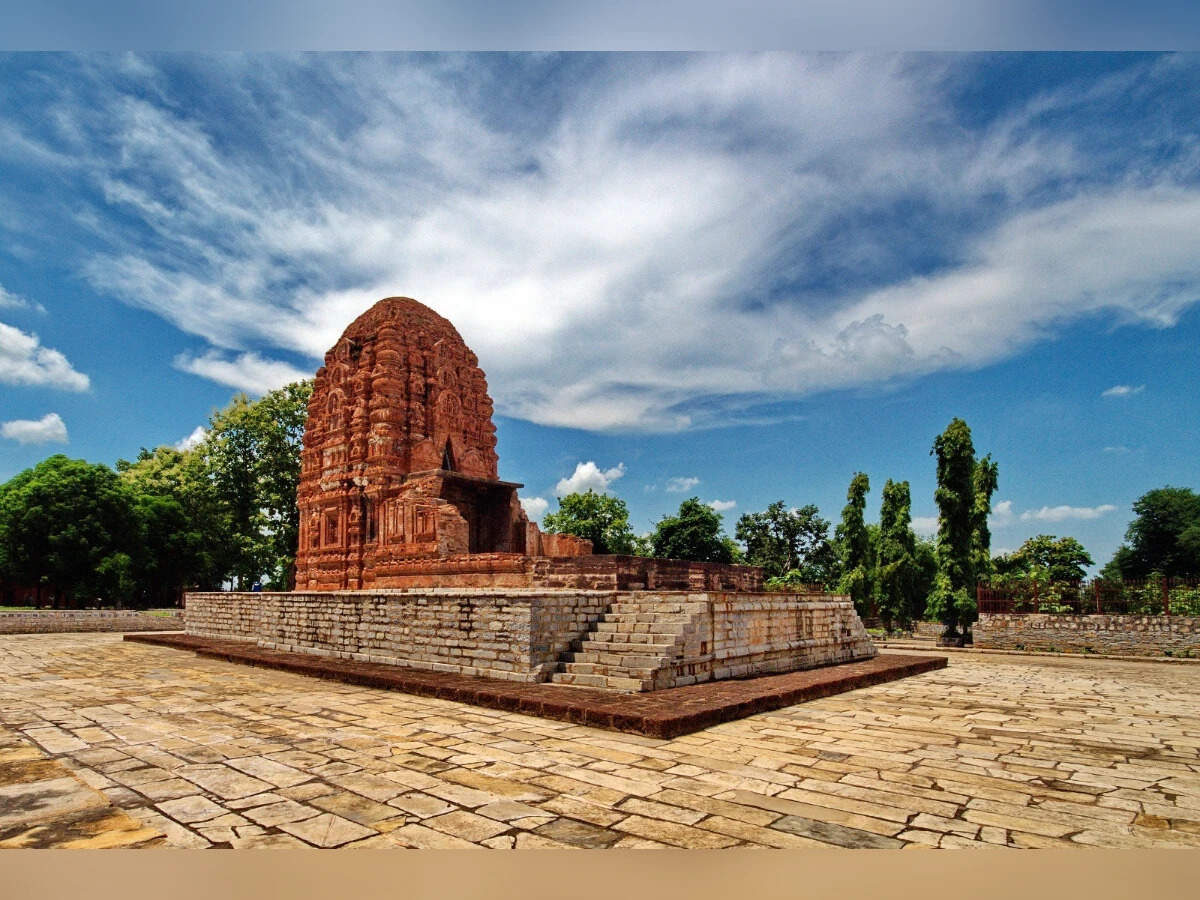
Located on the banks of Mahanadi, Sirpur, the ancient archaeological town in Chhattisgarh’s Mahasamund district, has been added to UNESCO’s Tentative List of World Heritage Site marking a step towards international recognition. The state in view of the listing has dedicat3d a sum of Rs 42 crore to develop it as a tourist destination.
Officials said the “Sirpur Cultural and Archaeological Landscape” was inscribed on the list following a proposal submitted by India’s Permanent Delegation to UNESCO on 28 September, under the cultural category.
The listing is a first step, not final recognition. It does not mean Sirpur has been granted World Heritage status.
The state government for 2026-27 budget has earmarked Rs42 crore for Sirpur’s development, with plans for a museum, visitor facilities and a sound-and-light show. Chief Minister Vishnu Deo Sai welcomed the inclusion, describing Sirpur as an important legacy of the state’s civilisation, art, spirituality and knowledge traditions.
Sirpur’s historical weight is well documented. The town appears in records dated between the 5th and 8th centuries CE, and the Chinese traveller Xuanzang mentions visiting in 639 CE. Its Lakshmana temple, dated to 595-605 CE, is the earliest dated monument there. The site is also known for early medieval bronze sculptures, including Buddhist works.
The Lakshman Temple is one of the prominent structures. The brick-built shrine is dedicated to Vishnu. Built on a raised stone platform, the temple features a panchratha architectural layout, intricate carvings and depictions of Vishnu’s incarnations and episodes from Krishna’s life.
Other important structures include the Gandheshwar Mahadev Temple, Surang Tila, Ram Temple, Rajmahal and the remains of the Market Complex. The Gandheshwar Mahadev Temple incorporates architectural fragments from earlier temples and Buddhist monasteries.