


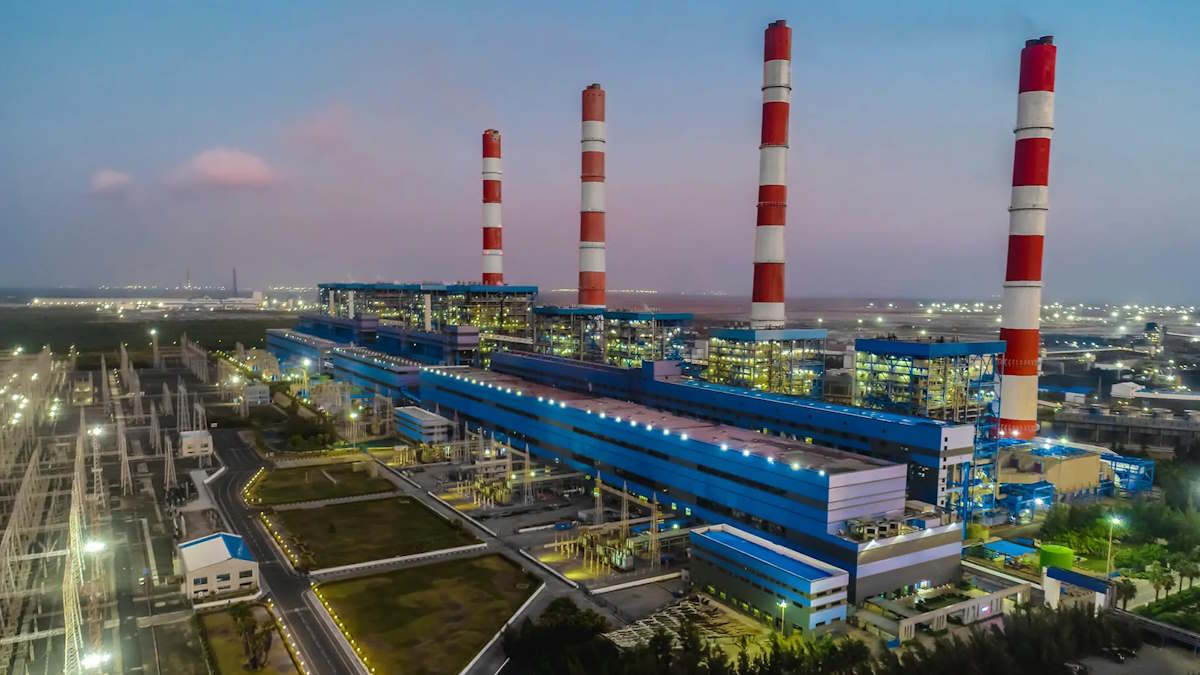
Adani Power Limited has informed that their fly ash filling project at Chhotte village in Ghathula village of Raigarh district in Chhattisgarh has been given all relevant approvals and being undertaken as per the relevant rules and conditions.
The company made the clarification in response to reports from some journalists and news portals about permissions received for the work and ways it’s being carried out. Adani Power accused the reports of being misleading and added that it had raised issues on how the approvals are being given by the administration and officials.
The company also noted that some of these reports may be “designed to cause pressure” to make demands which are not legally required. But, there is the company’s claim.
Environmental Department Conducts Fresh Inspection
The first job at Ghathula Chhote was being done to create an access road for the planned fly ash filling process, says Adani Power. A natural disaster later affected this work and the company may have had to slow further work.
After the incident, the environmental department team visited the site and did another inspection. The department has instructed the company to follow the instructions it is doing as it proceeds with its work.
The company also informed that there’s been no fly ash getting in from the farmers’ agricultural fields as a result of filling activity. As for this account, a thick perimeter sea dyke enclosing the filling space has been built to stop the material from spreading further than the intended filling space. The company also stated that it has confirmed this arrangement during the site inspection.
The Company Reaffirms Environmental Commitment
Adani Power has told the TCT that it has followed environmental department instructions and is still carrying on with additional work in following directions.
The company has once again assured the protection of the environment and has started measures to ensure the activity does not cause disruption of life to those nearby neighbors or the farmers.
The clarification comes after concerns with permissions and implementation of the project. Independent verification of the company’s claims, such as those for inspection of the premise and adherence to environmental regulations would enable better insight into the complete situation of the work.