


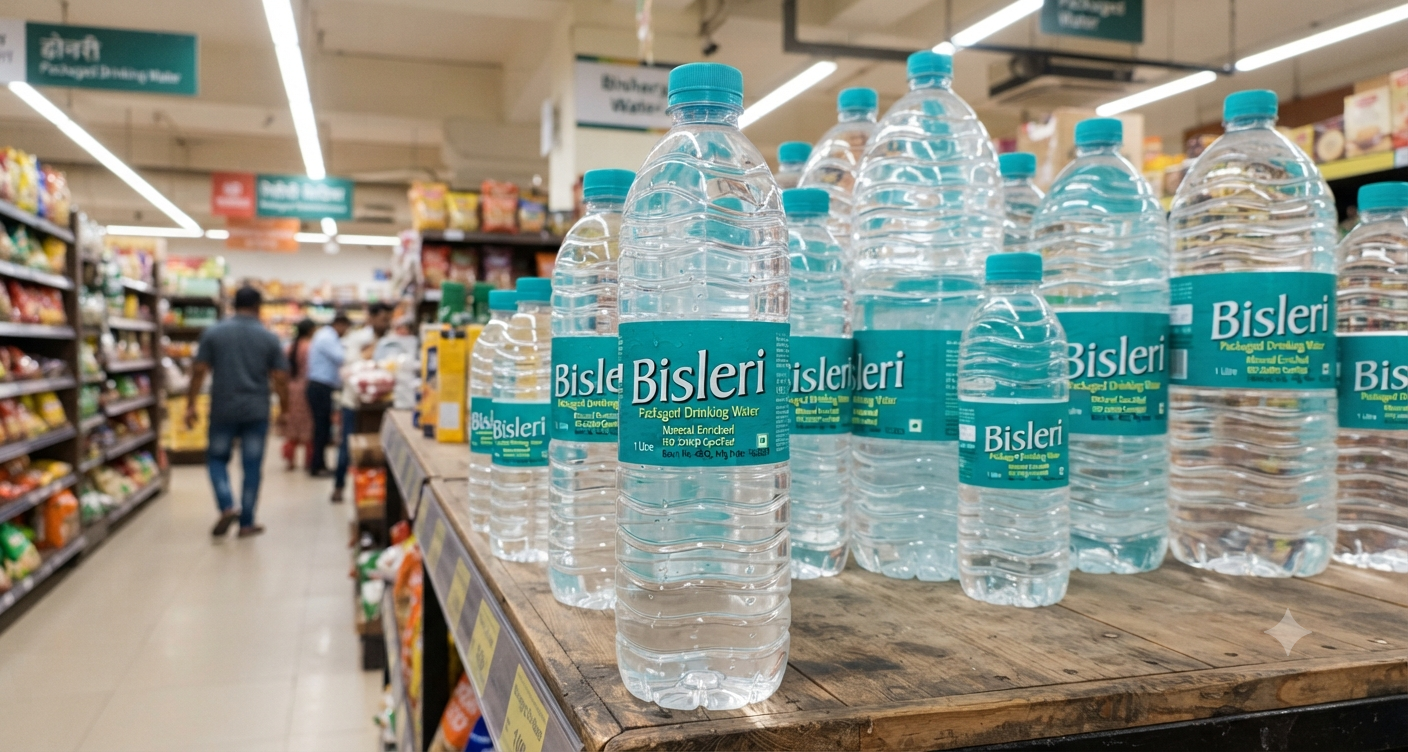
Controversy surrounding the leading packaged drinking water brand Bisleri International has taken a fresh turn after the food regulator has flagged failed laboratory quality tests of the samples collected from its facilities in West Bengal.
The Food Safety and Standards Authority of India has initiated prosecution proceedings against the packaged water major.
This is the second action initiated by the food regulator after a sample of water from its Goa plant also failed testing. According to sources, the laboratory examinations of the water samples taken from the West Bengal facility detected coliform bacteria which can enter water supplies through sewage contamination, leaking pipelines and damaged water infrastructure. The findings were reportedly confirmed both by primary and referral laboratories. Following the test results, the food safety regulator prohibited the sale of a specific batch of the product and also sanctioned prosecution against Bisleri International over the alleged violation of food safety requirements.
In regard to the Goa case, the regulatory body has reported that the sample did not comply with prescribed aerobic limits and was declared unsafe under the Food Safety and Standards Act 2006.
According to the regulator, Bisleri subsequently appealed against the initial findings, following which the sample was sent to a referral laboratory for further examination. However, the second laboratory test have classified the sample as unsafe after detective polycyclic aromatic hydrocarbons (PAHs)”. The findings have further prompted the food regulator to proceed with legal action under the food safety legislation.
Responding to the developments, Bisleri International on Monday maintained that its packaged drinking water products were safe for consumption. The company also stated that it would cooperate with FSSAI and work towards addressing the concern raised by the regulator.
Meanwhile, surveillance of packaged drinking water and mineral water manufacturers has been intensified nationwide. FSSAI CEO Rajit Punhani recently said that the regulator was collecting samples from different parts of the country, with lab tests expected to be completed within one or two months.