


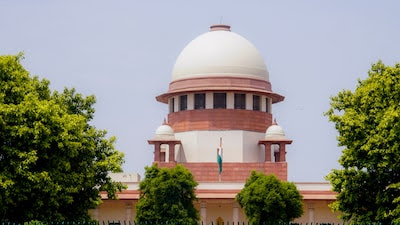
In a special sitting held on petition challenging restrictions during the protests by the Cockroach Janta Party (CJP) in Delhi, the Supreme Court has directed the removal of the barricades except in situations “absolutely” necessary.
The court said the movement of persons must be made free once again and that any restrictions on movement are permissible, if needed, to ensure “public order.” It said this as it raises questions about the ban on public access and commuters in the national capital.
It was picked up on a contempt petition by advocate Shailendra Mani Tripathi. The petition related to Supreme Court’s October 9 decision on banning the use of 57 metro stations and trains from entering Delhi as part of a planned protest by CJP.
The current developments emphasized the importance of making sure public safety and law and order measures and needs are balanced with citizens’ right to move freely. The court’s observation was that the barricades should not be perpetuated unless there are adequate reasons.
Office workers, people getting to and from work or other people travelling during the day can be inconvenienced with closures of various metro stations and restrictions in transport. In the court’s rulings, there is a focus to justify the need of and equity of any security measures taken and their proportionality to circumstances that include public demonstrations.
The observations targeted during the litigation on the restrictions followed. The information released did not list further specifics of how the court’s suggestions were implemented and the status of the affected metro stations.