


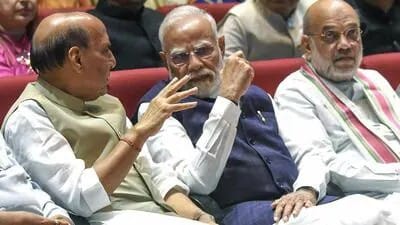
Prime Minister Narendra Modi presided over the Cabinet Committee on Security (CCS) to discuss the implications of the conflict in West Asia on fuel and fertiliser supplies to India, security of Indian seafarers and the Indian citizens in West Asia.
The meeting was the fourth special CCS session since the war erupted in February, amid rising fears of the fragile ceasefire between Iran and the USA. These long-standing tensions have caused complications in the energy routes including extending the closure of the Strait of Hormuz, impacting the energy, gas and fertiliser supplies to India.
Contingency measures already taken have been highlighted to the CCS by key ministries, according to the officials. The government told the committee that all there is a lack of is petrol, diesel, urea or fertilisers, alternative arrangements are in place for the availability of adequate quantities during the upcoming Rabi crop season.
PM Modi has emphasised the need of “whole-of-government” approach and asked the authorities to put a mechanism in place to closely watch developments and implement measures that safeguard the interest of the citizens at a fast pace.
The CCS also discussed Indian seafarers working on Indian and foreign-flag ships in the areas affected by conflicts. Modi directed that a separate window should be established to provide timely information, emergency assistance and counselling to the seafarers and families.
Seven Indian nationals including six seafarers, were killed in the conflict in West Asia and 75 others injured, the government told Parliament. India is also on its guard against the protection of its 10 million-plus people settled abroad in The West Asian countries.