


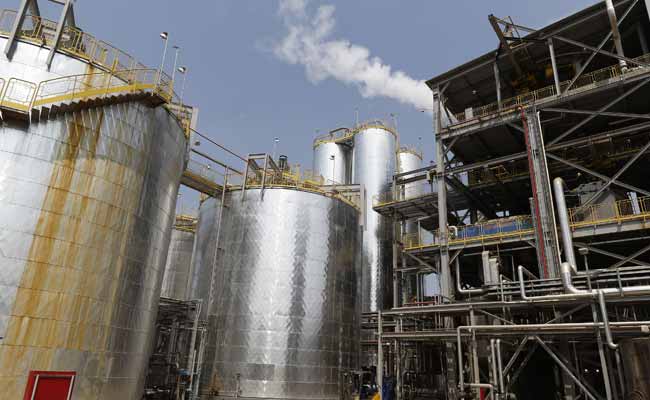
New ethanol sourcing policy of state-run oil marketing companies (OMCs) this year has barred mixing ethanol from sugarcane juice, sugar syrup and B-heavy molasses. The decision is aimed at safeguarding the supply of sugar for the domestic market, while continuing the country’s national ethanol-blended petrol initiative.
Bharat Petroleum Corporation Ltd (BPCL) on October 16 sent the tender on behalf of OMCs for approximately 11 billion litres of ethanol for the supply year that starts from November. The procurement will help the government meet its goal of making 20% ethanol a part of petrol.
In the tender document it is being stated by the Government of India that the utilization of sugar for ethanol producing should be zero in 2026-27. Again, the sugarcane juice, sugar, sugar syrup or B-heavy molasses made ethanol is not invited for bids.
Ethanol from maize, broken rice, any surplus rice bought by Food Corporation of India (FCI) and C-rich Molasses is allowed. The new sources rules are designed to make the sourcing of alternatives to crude oil-sourced sources more attractive for the blending programme which aims to move away from such crude oil imports and to bring down emissions from vehicles.
The price of ethanol made from maize has also dropped to ₹68.86 per litre from the earlier price of ₹71.86 per litre. The incentive price, too, has at various stages lowered from ₹5.79 to ₹2.79 per litre, thus diminishing the extra financial gain for those supplying ethanol made with maize.
The policy is a change in the wake of fears over the availability of home grown sugar due to poor rain in sugar-producing states like Maharashtra and Karnataka. If sugar production is less than expected, then availability and sugar prices may be affected and the need for sugar to be stored for domestic consumption will be significant.
The government is making changes to orders while still aiming to maintain the 20% petrol-blending programme by omitting the use of sugar as feedstock for ethanol and making other changes to the maize ethanol offering. The effect on ethanol producers will be determined by the availability of feedstock, economics of feedstock procurement and the amount of contracts being awarded under the new tender.