


India finished the Aichi-Nagoya Asian Games with 85 medals, made up of 21 gold, 27 silver and 37 bronze. That was good enough for fourth place, behind China, Japan and South Korea.
The ranking is the same as in Hangzhou, but the numbers aren’t. India won a record 106 medals there, including 28 golds. So 85 is the second-best haul the country has ever managed, though it’s a clear step down from the high of the last edition.
It was also a tight finish. Uzbekistan matched India’s 21 golds, and India took fourth only because of its extra silver medals, 27 to 25. A strong final day, with five golds, two silvers and two bronzes, helped seal the spot.
The breakdown shows where India’s strength lay. Archery brought five golds, while boxing and shooting added three each and wrestling two. Cricket chipped in two. Shooting produced the biggest pile with 15 medals, but eight of them were silver. A few of those turning gold would have changed the story.
Then there were the firsts. Neeru Dhanda ended a 48-year wait for an Indian trap shooting gold. Kumkum Anil Mohod became the first Indian woman to win individual recurve gold, and the women’s recurve team ended South Korea’s 28-year run at the top. Lovlina Borgohain became only the second Indian woman after Mary Kom to win Asian Games boxing gold. Pranavi Urs gave India its first golf gold.
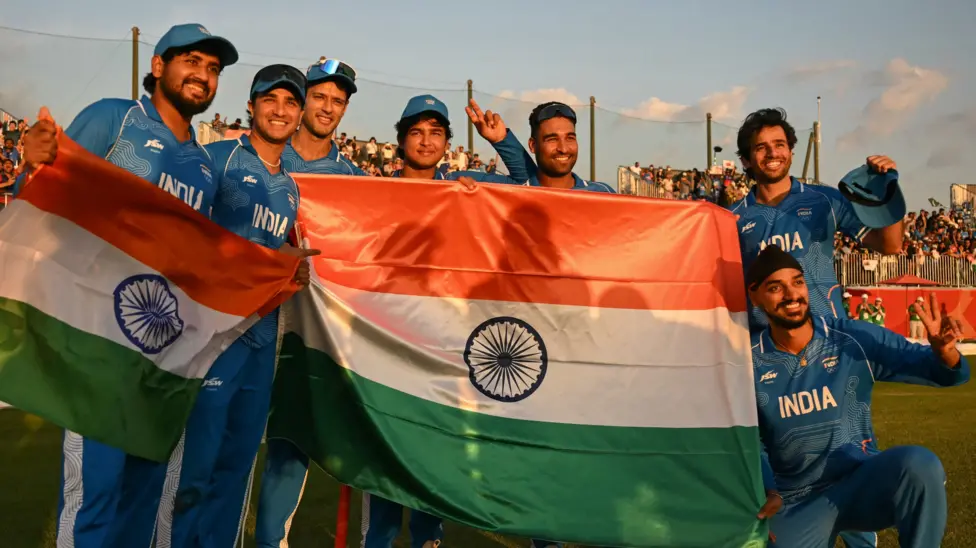
The team events also recorded big wins. The men’s cricket side beat Pakistan by 19 runs in the final, and the men’s hockey team beat Malaysia to win gold and book a place at the 2028 Los Angeles Olympics.
So what does it all add up to? The distance to China, which finished with 169 golds, and Japan, with 83, is still enormous and won’t close quickly. But India’s medals are coming from a wider range of sports, and a few of the wins were genuine firsts. The silver count in shooting shows how thin the margin is in some events, and turning those into golds is the obvious next target.
With the Los Angeles Olympics less than two years away, that’s where the real test begins.