


Chhattisgarh paddy procurement from November 15: Are centres ready, and what farmers need to know

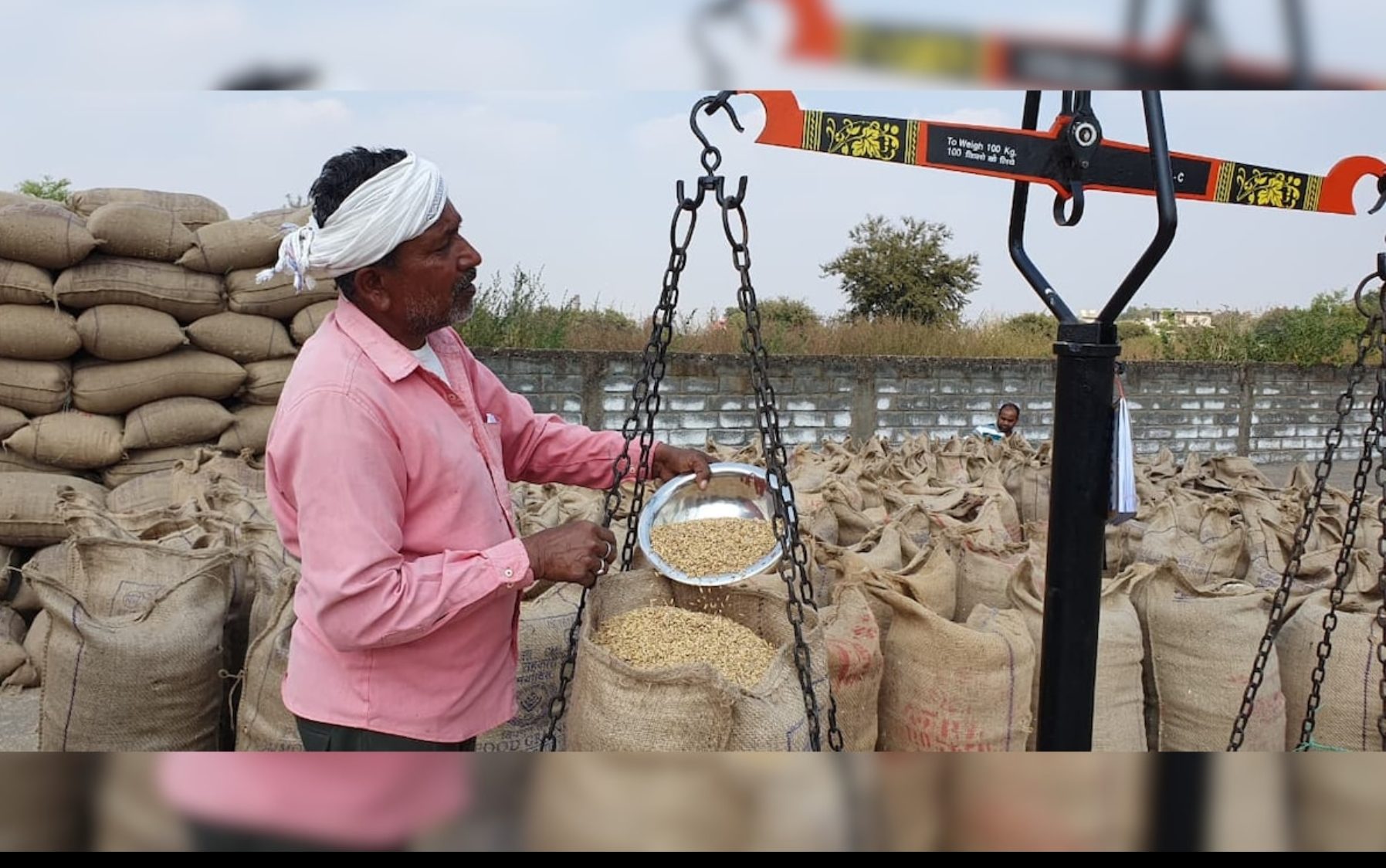
Paddy procurement for the 2026-27 Kharif season will start in Chhattisgarh on November 15. The government has set a target of covering more than 27.50 lakh farmers, allowing procurement of up to 21 quintals per acre. For the procurement, 3,100 dedicated centres are planned across the state, of which 360 are new.
However, the expansion of the procurement network also raises questions about the readiness of the new centres, registration requirements, token availability, weighing arrangements and payment timelines.
Here is what farmers need to know before taking their produce to the procurement centres.
Are all procurement centres ready to operate?
The state has added 360 new procurement centre to reduce the ease farmers travel concerns,and facilitate swift procurement within the stipulated time.
However, the approval of new centres does not by itself confirm that all 3,100 facilities are fully operational. The Food Department has directed officials to inspect the centres and address shortcomings before procurement begins.
Food Minister Dayaldas Baghel has asked officials to ensure the availability of gunny bags, electronic weighing machines, electricity, drinking water and other basic facilities. He has also stressed the need for adequate storage arrangements and better coordination between procurement, transportation and custom milling.
The department has reviewed preparations, but a district-wise confirmation of the readiness of every centre has not been made available in the announcements reviewed so far.
How will weighing and storage be managed?
Once farmers reach the allotted centre with their paddy, the produce will undergo the prescribed quality checks and weighing process. Electronic weighing arrangements are particularly important at the newly approved centres, where the department has directed officials to ensure that the required equipment is available.
The government has also directed societies to maintain sufficient stocks of gunny bags so that procurement is not interrupted because of packaging shortages.
After procurement, the paddy has to be moved from the centres for storage or milling. Markfed’s existing procurement system provides for paddy to be lifted by custom millers, while the remaining stock is transported to designated storage facilities to prevent procurement centres from becoming overcrowded.
For the 2026-27 season, the government has also announced tighter monitoring of paddy movement. Transport vehicles will be tracked through location-based systems, while QR-code-based tracking of rice bags and other monitoring measures are intended to improve transparency and prevent irregularities.
The availability of sufficient storage space and timely lifting will be important to ensure that paddy does not accumulate at procurement centres and disrupt further purchases.
When and how will farmers receive payment?
For the current Kharif season, the government has set a procurement rate of Rs 3,100 per quintal. Additionally it has set a purchase limit to 21 quintals per acre. The Centre’s minimum support price for common paddy for the 2026-27 season is Rs 2,441 per quintal. In the previous season, the state paid the difference between the MSP and Rs 3,100 through the Krishak Unnati Yojana after procurement.
The Cabinet,this year has decided to calculate the assistance under the scheme on a per-acre basis instead of a per-quintal basis.