


Tata Trusts push to merge TESS, TCE into Tata Sons, say it will keep the holding company unlisted

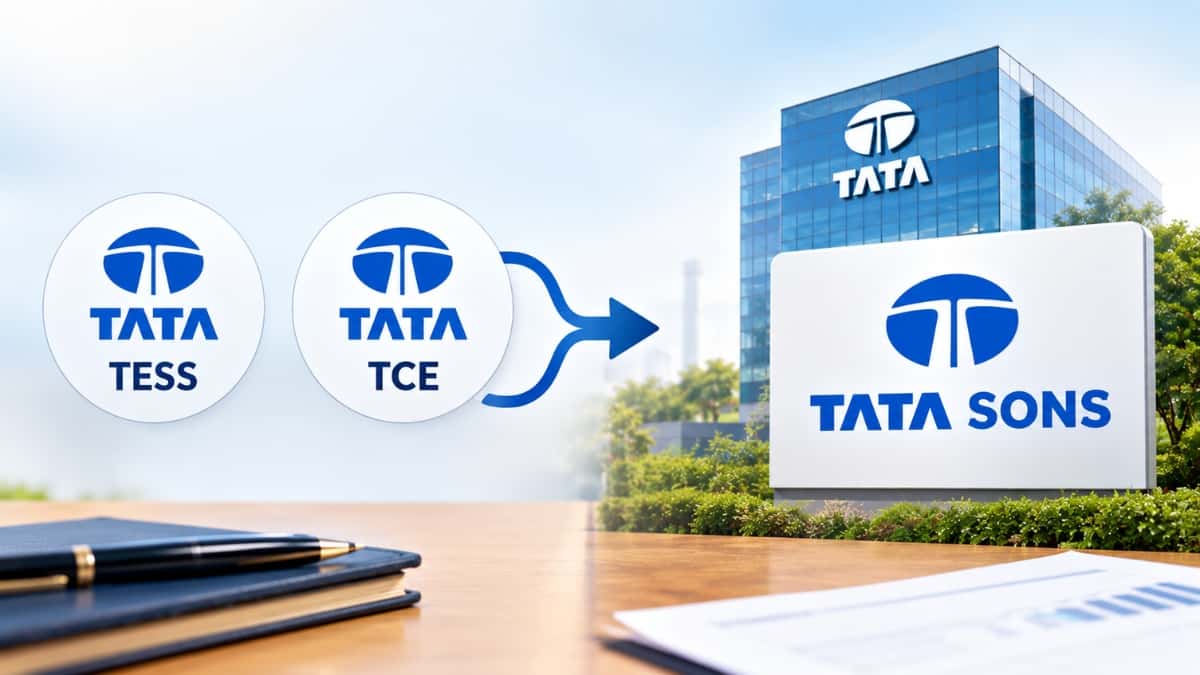
Tata Trusts, which own 66 per cent of Tata Sons, have come out with a plan to reorganise the group’s holding company. The plan involves merging Tata Electronics Systems Solutions (TESS) and Tata Consulting Engineers (TCE) with Tata Sons, according to a statement the Trusts issued on Monday.
The idea is to change how Tata Sons is classified. Once the two operating firms are merged in, Tata Sons would fall short of the principal business criteria for an NBFC and the conditions for a Core Investment Company (CIC). Since it would no longer be a CIC, it would have to surrender its certificate of registration with the Reserve Bank of India.
The RBI’s rules come into play here. Any amalgamation of genuine operating companies with an NBFC has to follow the RBI’s Voluntary Amalgamation Directions, 2025, and needs a prior no-objection certificate from the regulator. The Trusts have asked the Tata Sons board to consider the proposal and take the required steps. They said they and Tata Sons would talk to the central bank about the plan.
The background is a disagreement over listing. The RBI put Tata Sons on its upper-layer NBFC list in September 2022 and gave it three years to list. On September 17, the Tata Sons board backed listing, but Noel Tata, a nominee director, opposed it. The Trusts have been firmly against listing the holding company, and this restructuring gives them a way around it.
The Trusts say they are not trying anything new. Until 2004, Tata Consultancy Services was a business division of Tata Sons, before it was demerged into a separate subsidiary. Under the new plan, Tata Sons would go back to its earlier model, with its own operations and revenues besides being the group’s holding company. The Trusts also say the structure meets regulatory requirements and keeps the group’s organisational set-up of over 100 years intact.
Tata Sons is a big entity. Its standalone assets were about ₹1.75 lakh crore as of March 2025, and it held stakes in 15 listed companies as of June 2025. TCS has been the main earner: as of 2024, nearly 80 per cent of Tata Sons’ dividend income came from it.
None of this is final. The proposal still depends on the Tata Sons board’s view, RBI approval and completion of the merger process. Tata Sons has not commented. The Trusts hold the majority and can make their case, but the board and the RBI both have to sign off before anything changes.
A few questions will decide how this goes. Will the board consider the Trusts’ plan in place of the listing route? How will the RBI look at operating companies being merged into a holding company it now regulates as an NBFC? And can the Trusts and the board settle their differences? The answers will affect the ownership structure of a conglomerate whose businesses run from salt and software to cars and airlines.