


West Bengal has been witnessing a sharp rise in dengue cases, with the number of people affected crossing 5,000 this year.
As per the latest figures by the state health department, 5,002 dengue cases have been reported as of September 11th in comparison to August, which means more than 2,500 additional cases were detected in a month.
Murshidabad has reported the highest number of cases so far, followed by Kolkata and North 24 Parganas.
The state has identified 29 municipalities and 85 community development blocks and 278 village panchayats as the dengue hotspots, and has intensified testing and surveillance.
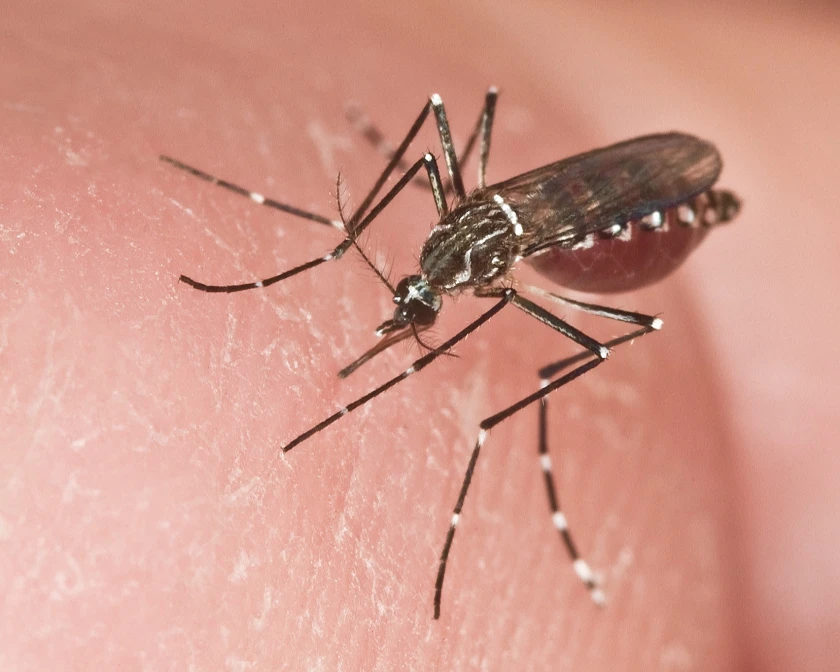
For Kolkata and other parts of West Bengal, the rise comes at a time when monsoon conditions have been creating a favorable breeding environment for Aedes mosquitoes.
Doctors say the focus now should be on recognizing early dengue symptoms, avoiding self-medication, and preventing mosquito breeding around homes and communities.
A standard operating procedure issued on September 2 emphasizes door-to-door monitoring and prompt blood testing of people with symptoms.
Multi-layered approach has also been adopted for controlling the growth of mosquitoes, removing stagnant water, protecting against mosquito bites, recognizing warning signs and seeking early, timely medical care has been stressed on to reduce both transmission and the risk of severe disease.
District authorities have also been directed to conduct intensive testing campaigns until October 15 and report fever cases and conduct dengue tests.
At designated hotspots, healthcare workers have been carrying out random blood sample testing intensively and have been conducting awareness drives.
The state has also urged people with fever lasting for more than two days to seek medical advice rather than self-medication.