


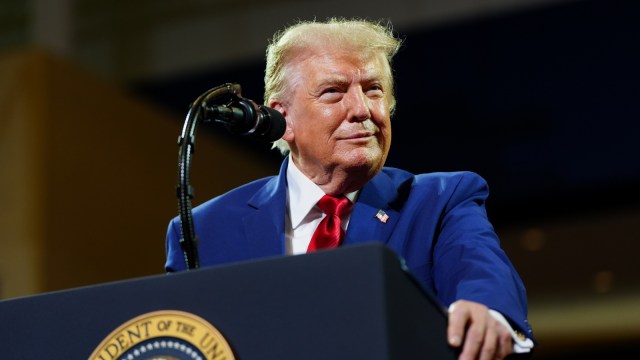
After weeks of relative calm, both sides gunned on each other, with US President Donald Trump threatening to strike back at Iran, adding to growing fears of another escalation of the war and the effects on global energy supplies will grow.
In a Fox News interview Monday, Trump threatened to “hit them hard” and indicated there will be a response from the U.S. The escalation came after the U.S. attacked an Iranian island in the Strait of Hormuz on August 30th. Eventually, Iran responded to the attacks by striking US military bases in the Middle East.
The latest clash of arms follows six months of conflict. Bessent, U.S. Treasury secretary, has said that he will continue the economic pressure campaign against Tehran and the administration is looking to make Iran’s economy less viable.
The emboldened conflict has already had an impact on global oil markets. Crude prices rose on Monday amid fears that the escalating wars could hamper supplies of energy via the crucial Strait of Hormuz. WTI crude was trading above $86 as it appreciated 2.8% from the last session, while BRENT settled near $90.
The maritime situation also was subjected to scrutiny following the United Kingdom Maritime Trade Operations (UKMTO) released a statement on 10 September that a tanker had been damaged by ‘three unidentified projectiles en route to its outbound transit of the Strait of Hormuz. The accident took place approximately 17 NM off the coast of Oman in Khasab.
There was no pollution or damage reported after the tanker accident.
Energy suppliers relying on this route for transshipments will be further challenged if the Strait of Hormuz is closed for prolonged periods; with its importance for world energy trade, this could add to the burden on oil prices, shipping and the global energy market. The potential implications of the US-Iranian conflict on the broader economy have thus grown greater.