


Washington wants to roll back H-4 spouse work permits. For Indian H-1B families, this one hits close to home

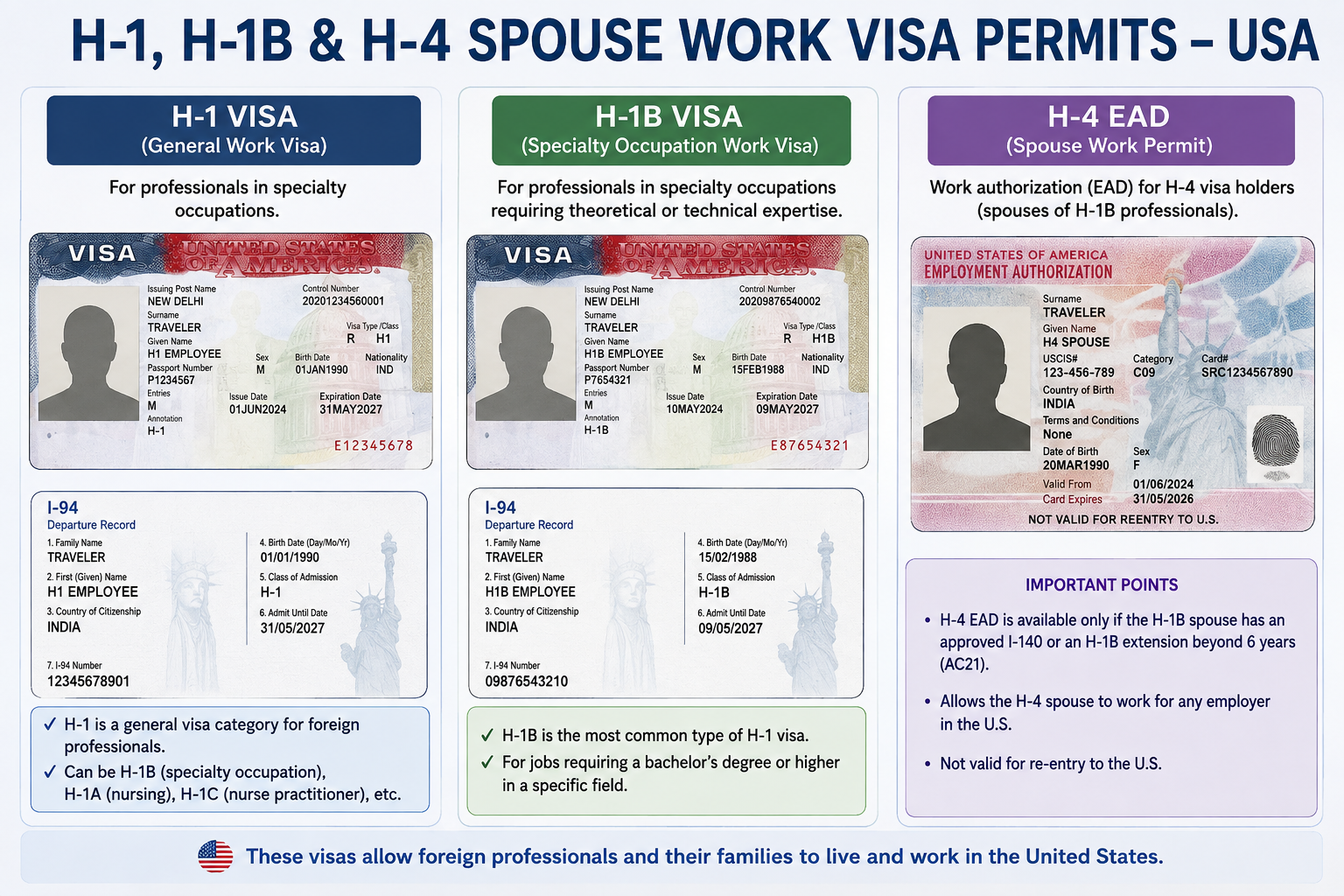
For thousands of Indian families living the H-1B life in America, the H-4 EAD isn’t just paperwork — it’s often the difference between one income and two, between a spouse building a career and a spouse sitting at home for years waiting on a green card queue that barely moves. Now that arrangement is back under threat.
Homeland Security has put together a proposal that would pull work authorization away from H-4 visa holders — spouses of H-1B workers, a group where Indians make up a substantial chunk. Tracked under RIN 1615-AD14 in the 2026 Unified Agenda, the plan would undo the 2015 policy that first let certain H-4 spouses take up jobs.
Before anyone panics, there’s a real caveat worth sitting with. DHS has filed this as a long-term regulatory action, and no draft rule has even been published yet. That means every H-4 spouse currently working under existing rules can carry on exactly as before — nothing has actually been cancelled. And that viral claim floating around about 600,000-plus jobs opening up within weeks? That number never came from DHS at all.
Still, the direction of travel matters, especially for Indian households.
Back in 2015, DHS rolled out the H-4 EAD as a way to take some of the financial pressure off families trapped in a green card backlog so brutal it can drag on for decades — and nobody feels that wait more than Indian nationals, thanks to the per-country caps baked into the system. Getting one isn’t automatic, though. The H-1B spouse needs either an approved I-140 immigration petition, or an H-1B extension pushed past the usual six-year cap under AC21, tied to a pending green card case already in motion. Clear that bar, and the EAD holder is free to work wherever they want — any employer, any industry, jumping jobs whenever it suits them.
Take away that EAD, and you’re effectively telling a spouse — often a qualified engineer, doctor, or MBA — to put a career on pause indefinitely, simply because of where they were born.
What happens next hinges entirely on when, and if, DHS actually publishes a formal proposed rule — that document would spell out who’s affected and how much transition time families get. Until then, immigration lawyers are telling clients the same thing: don’t panic, but don’t get complacent either. For Indian families who’ve built entire lives around two incomes and one visa category, “long-term regulatory action” is cold comfort — it just means the anxiety gets to simmer a little longer.