


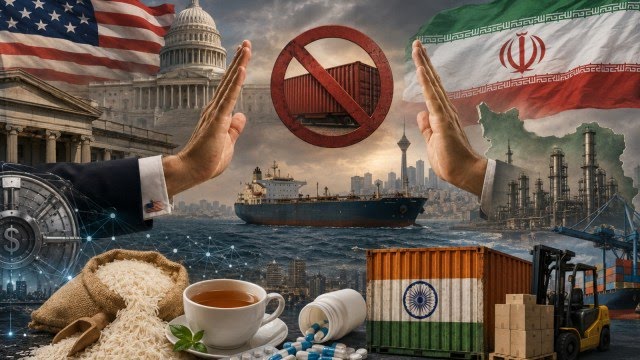
India might have routed for an alternative sources of crude following the Middle East war. However, the latest US sanctions and prolonged disruption in the oil exports could dictate the bill towards crude import due to the alternative supplies.
There would no immediate impact as Indian refiners have largepy stayed away from Iranian curde. But the concern is indirect. Neighboring country China which imports majority of the Iranian crude, is forced to buy from other suppliers, emerging as a competitor to India.
According to analysts, “If China, which imports the vast majority of Iranian crude, is forced to source oil elsewhere, it will increase competition for the alternative barrels that India relies on. This demand reshuffling would likely push benchmark prices higher, resulting in a higher import bill for India.”
Oil prices are continuing their downward trend, with Brent crude futures dropping 60 cents, or 0.7 percent, as of 00:04 GMT, to $87.24 a barrel.US West Texas Intermediate (WTI) crude was down 56 cents, or 0.7 percent, at $81.67. The declines came as expectations grew that upcoming talks between Iran and Qatar could reopen the vital Strait of Hormuz and ease supply disruptions stemming from the US war on Iran, according to reports.
The US Treasury on Monday announced sanctions against individuals, entities and vessels linked to Iran and warned countries against engaging in bussiness with Tehran threatening secondary sanctions.
“We are launching an economic onslaught against Iran’s financial connections around the globe. Our objective is to sever every economic lifeline that sustains this tyrannical regime until Tehran stands alone,” US Treasury Secretary Scott Bessent said in a post on X Monday.
The measures cover shipping, aviation, technology, gold, and digital assets, as well as financial and other activities linked to Iran’s trade.