


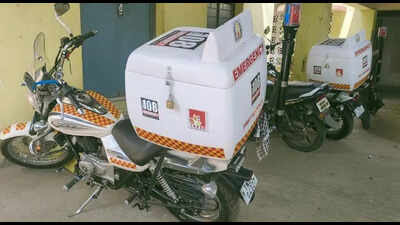
In a move to strengthen the emergency healthcare delivery system in India, the Ministry of Road Transport and Highway on Monday proposed a regulatory framework for two-wheeler road ambulances.The proposal aims to bridge the gap by adoption of AIS 209 Part 1 2026, a new standard that lays down construction and functional requirements for life support to vehicle road ambulances.
Under this framework, all L-2 Category two-wheeled road ambulances manufactured on or before October 1st, 2027, will be required to comply with the provisions of AIS 209 part 1:2026.The draft formally seeks to recognize and regulate such vehicles, which can play a crucial role in providing rapid medical assistance in remote and hilly areas where conventional ambulances find it difficult to reach.
The proposed rules aim to address the absence of a dedicated regulatory structure for such vehicles, which are increasingly being viewed as an effective solution for delivering emergency medical services in areas with difficult terrain, narrow roads, and limited access for conventional ambulances.
According to the ministry, the two-wheeled road ambulances can significantly improve emergency responses in time and facilitate last-mile access to healthcare, particularly in rural and remote regions, in a life saving attempt.
What are the proposed changes?
Currently, these vehicles are not recognized as a separate category under the Central Motor Vehicle Rules, resulting in the absence of nationally prescribed standards related to their design, safety features, registration, type approval, and fitness inspection.
Emergency warning lights will be fitted on such vehicles. At the governance front, these rules will provide flexibility to state governments in determining the operational areas for these ambulances. Administrations will be empowered to decide where such vehicles could be deployed based on local requirements and geographic conditions. Consequently, these vehicles will be subjected to mandatory fitness certification, with the certificate being renewed every two years.