


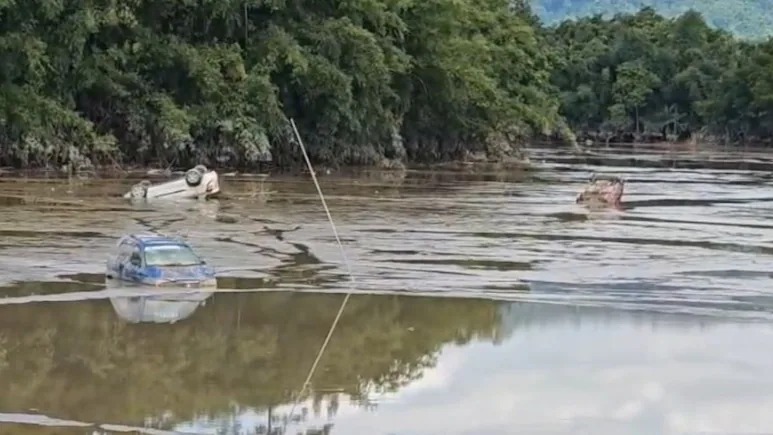
As floodwaters continue to recede in Assam Sivasagar district, the full extent of the devastation has begun to emerge, with thousands of families facing the difficult task of rebuilding their lives after one of the worst floods in nearly five decades.
Acute loopholes in homes, ruined roads, broken house paraphernalia, and inundated farm fields have given the population a tough time getting back to normal. Villages in the areas hit by flooding have begun cleaning up and mopping up water, as well as reclaiming as much of their property as possible from the mud. Some, however, have lost some of the most important things, such as food grains, furniture, clothing and household items, because of the floodwaters engulfing their homes.
Access to clean drinking water, medicines and other basic provisions is still considered to be one of the key challenges, according to residents, despite the ongoing relief operations. There are many families still using relief supplies as they have to await the disaster impacts on finances and plan the future steps that will take place in the reconstruction of their lives and homes.
The floods, which submerged 301 revenue villages in three revenue circles, have affected almost four lakh people, according to District Commissioner Mridul Yadav. Nazira and Sivasagar were the most affected regions. The district administration reported that 30 people died in the incidents related to the floods, and seven people remain missing.
Almost 20,000 people were successfully rescued during the peak of Assam flood from the submerged areas by the State Disaster Response Force (SDRF), National Disaster Response Force (NDRF), local government agencies and volunteers.
Water levels are slowly dropping, and so the focus has now turned to restoration/rehabilitation. This has been followed by the use of heavy machinery to clear roads that are blocked by silt and debris and efforts to re-establish road accessibility and essential public services. The government is continuing to monitor the situation as relief and rehabilitation operations continue in the areas so far affected.