


Iran has denied it will invite the U.S. into talks in the West Asian port of Strait of Hormuz again despite a break in the current hostilities, and has confirmed it maintains control of the area where the Strait of Hormuz will be located.
The development follows three straight days in which neither the U.S. nor Iran have reported military strikes against each other, leading to signs of potential progress in diplomacy. US President Donald Trump paused the bombing campaign against Tehran over the weekend after 13 days of continuous strikes on the country, in which Iran turned the tables back against the U.S. military by attacking its bases in the region.
Strike action has brought an immediate end to tensions, though there is yet a question about whether the talks between Washington and Tehran will resume. International mediators are pressing for the resumption of talks with the US, but Iran’s foreign ministry noted it was not in the mood.
Focus has now turned to the strategic Strait of Hormuz, which is through which a large portion of the world’s oil supply passes. In response, Tehran reiterated its sovereignty over the important maritime route, highlighting its strategic importance amid the current regional tensions.
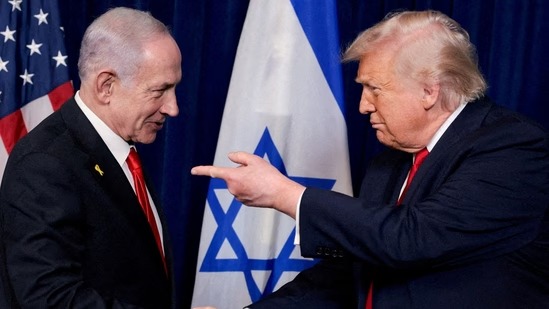
Meanwhile, Israel’s Prime Minister Benjamin Netanyahu is to meet with President Trump in Washington on Tuesday. The meeting will follow the first since the U.S.-Israel military campaign against Iran began last year. Security and Iran’s nuclear program are expected to be discussed by the leaders of the two countries.
In a statement ahead of the meeting, Netanyahu stated that he is supportive of Trump’s efforts to thwart Iran’s plans to build nuclear weapons. He reiterated the importance of removing the nuclear programme from Iran, either through a deal or otherwise.
In the meantime, however, as the uncertainty surrounding the administration lingers, the meeting between Trump and Netanyahu is likely to have a strong influence on the next steps in shaping US policies regarding Iran.