


XP100 vs E20 petrol: Is Indian Oil’s premium fuel ethanol-free and should you use it?

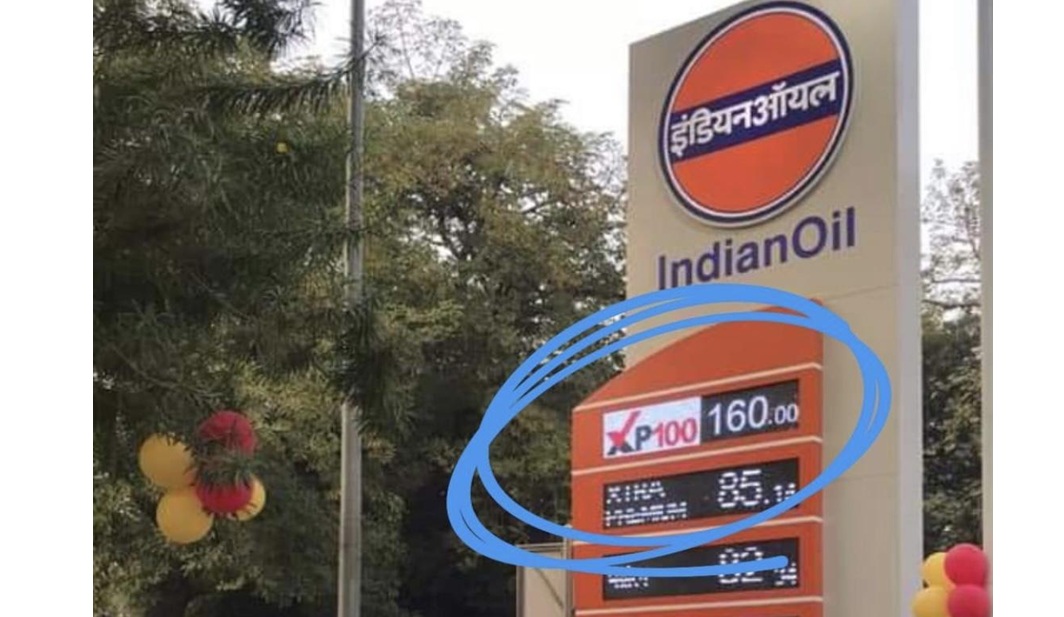
Unlike regular petrol and premium fuels such as XP95, which contain ethanol blends, the Indian Oil’s XP100 has emerged as an ethanol-free alternative amid growing discussions around E20 petrol. The XP100 has a 100-octane rating and is 100% ethanol-free. Launched in December 2020, the XP100 is primarily designed for high-performance vehicles, including supercars, luxury sedans and superbikes.
Under the Centre’s Ethanol Blended Petrol (EBP) Programme, the E20 fuel contains 20% ethanol and 80% petrol. While the Centre and automobile manufacturers, citing an Automotive Research Association of India (ARAI) report, have maintained that E20 is safe for compatible vehicles, some consumers have raised concerns online about its impact, particularly on older vehicles.
As a result, some owners of classic and older cars are exploring ethanol-free alternatives such as XP100 to avoid damage and risks related vehicle mileage. According to Autocar India, the XP100 may be a suitable, though significantly more expensive, option for such vehicles as it avoids the potential corrosive effects associated with ethanol.
Why is the government pushing for ethanol-blended petrol?
The Central government is promoting ethanol-blended petrol to reduce tailpipe emissions, lower crude oil imports and improve India’s energy security.
According to CarDekho, premium fuels such as Indian Oil’s XP95, Hindustan Petroleum’s Power95, Bharat Petroleum’s Speed97 and Shell V-Power now contain 20% ethanol. XP100 remains one of the few ethanol-free petrol options available in India.
According to Indian Oil, XP100’s “superior anti-knock properties improve engine power, deliver faster acceleration, enhance fuel economy, improve drivability and increase engine life.”
What happens if a vehicle is 91 Octane but is refuelled with XP100?
According to Indian Oil, XP100 will not harm 91 Octane compatible vehicles; instead, it will deliver smooth engine operation and improved fuel economy, emissions, and acceleration. It is important to note that the full benefits of XP100 are realised when used in a matching engine configuration (i.e., a higher compression ratio).
What will happen if 91 and 100 octane grade fuels are mixed together?
“The resultant octane of fuel after mixing will not harm the vehicle or engine in any way. The performance of the vehicle will be smoother as compared to 91 octane since the octane rating of the resultant fuel in the vehicle would be higher than 91,” the OMC registered in Mumbai and headquartered in New Delhi, in a statement, said on its official website
What would happen in case of return to 91 octane or lesser grades after XP100 use?
After XP100 use, returning to conventional 91 octane fuel or lower grades “will not harm the engine,” since most vehicles are designed to operate on a minimum of 91 octane fuel. Indian Oil suggested that using XP100 in the vehicle cleans the fuel system and engine parts for a limited period during which it is used.
Will XP100 use create Original Equipment Manufacturer (OEM) issues during warranty?
“All fuel brands (Regular fuel, XtraPremium and XP100) sold at IndianOil outlets meet the requirements of Bureau of Indian Standards (BIS) – IS2796-2017 and are, thereby, honoured by OEMs in terms of providing engine warranty. The octane rating of XP100 exceeds the BIS standard and ensures much superior combustion of fuel in the engine as compared to the BIS-recommended gasoline,” Indian Oil said.”