


US President Donald Trump has threatened Iran over the tensions at the strategically important Strait of Hormuz, as officials from both countries met in Switzerland for talks aimed at easing tensions and preventing a wider conflict in the Middle East. The remarks came during the first round of negotiations between Washington and Tehran, which concluded with an agreement to establish a communication line to avoid incidents in the strategically important waterway.
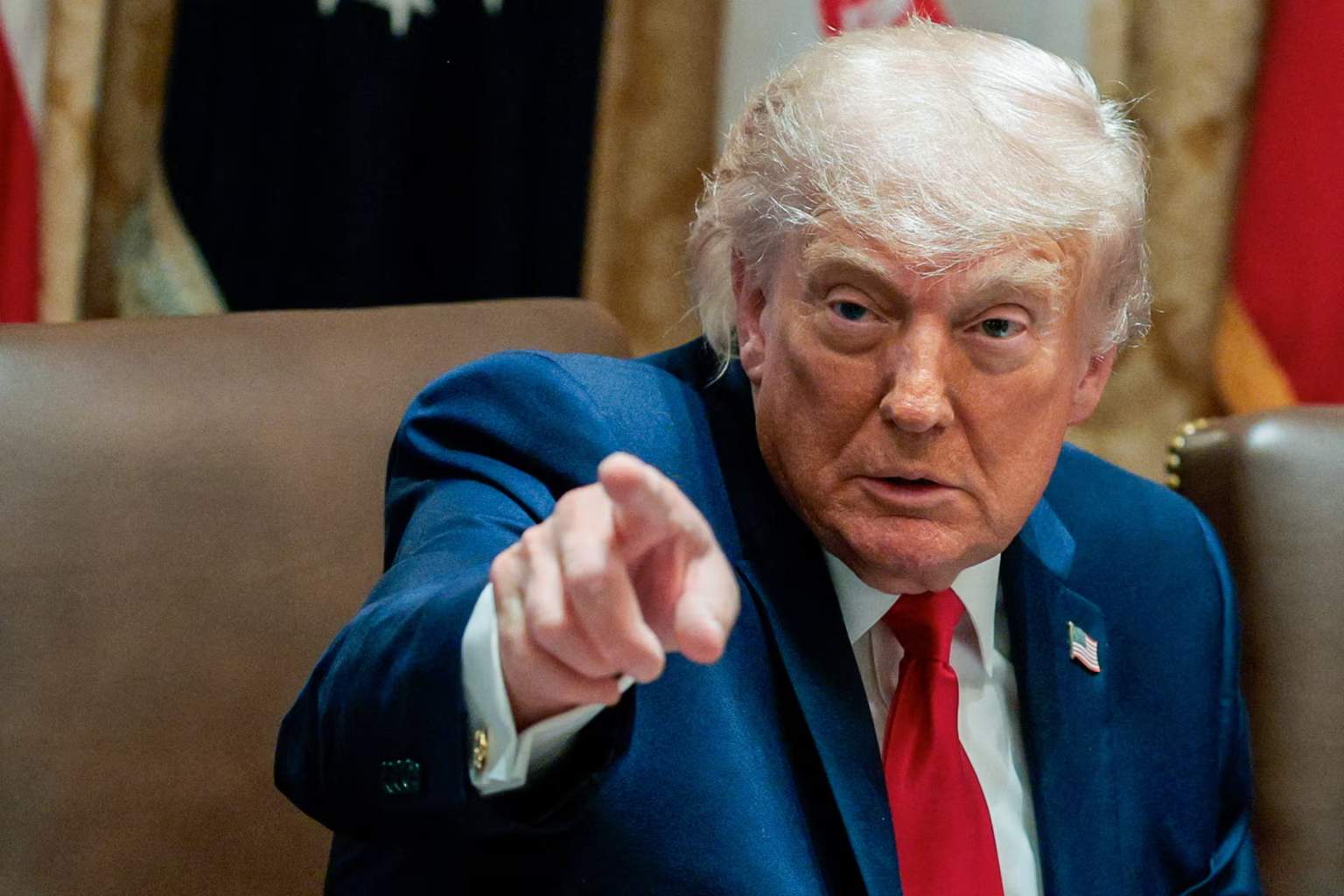
Speaking in a phone interview with Fox News correspondent Trey Yingst, Trump said Iran would face severe consequences if it interfered with shipping through the Strait of Hormuz. According to Yingst, Trump said he had told Iranian officials: “You close the Strait of Hormuz and you won’t have a country.” The US President also warned that Iranian officials would not “make it back” to their country if such actions were taken.
Trump later reinforced his position on Truth Social, where he called on Iran to prevent Hezbollah militants in Lebanon from escalating tensions. “If they don’t, we’ll hit Iran very hard again, just like we did last week, only harder,” he wrote.
The negotiations were led by US Vice President JD Vance and Iranian official Mohammad Bagher Ghalibaf.
The discussions form part of a two-month diplomatic process established under a preliminary agreement reached last week.
At the end of the talks, mediators Pakistan and Qatar announced that both sides had agreed to create a communication mechanism designed to reduce misunderstandings and ensure the safe movement of commercial vessels through the Strait of Hormuz.
In a joint statement, the mediators said the communication line would help avoid incidents and miscommunication related to maritime traffic.
The talks followed heightened tensions after Iran indicated it was closing the Strait of Hormuz in response to Israeli military actions in Lebanon.
The waterway is one of the world’s most important shipping routes for oil and gas exports, making its stability a key concern for global markets.
The safe passage of commercial vessels through the strait is considered crucial for maintaining energy supplies and preventing further pressure on oil prices.
Iranian negotiator Mohammad Bagher Ghalibaf responded by cautioning the United States against making threats. He said Iran’s armed forces were prepared to respond and urged Washington to be careful in its statements.
Despite the sharp exchanges, both sides moved ahead with talks, with the newly established communication channel seen as an attempt to reduce the risk of escalation and maintain maritime security in the region.